

Did you know that over 90% of households in Latin America celebrate the end of the year with at least one large family meal? It’s not just about food—these gatherings are a powerful force for unity and belonging, woven deep into the cultural fabric of each country.
A Surprising Look at Latin American Holiday Traditions: Why the Holiday Season Shines Brighter Across Latin America
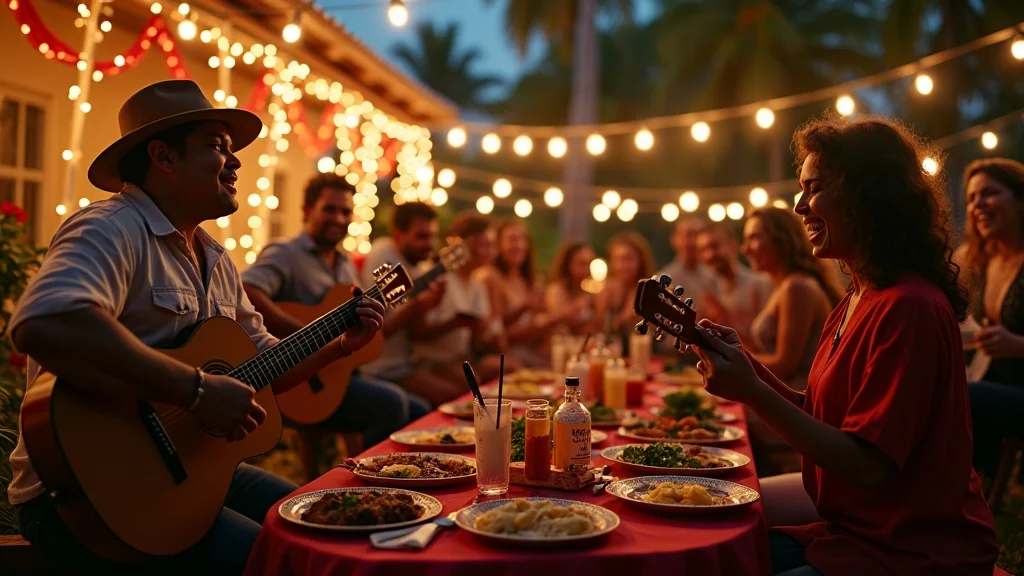
When the holiday season arrives, cities and towns across Latin America sparkle with vibrant lights, festive music, and the irresistible scent of home-cooked meals drifting through open windows. Latin American holiday traditions form the backbone of year-end celebrations, standing as living proof of how food, rituals, and community come together in meaningful ways. From Mexico’s lively Las Posadas to Colombia’s luminous Día de las Velitas, and the iconic feasting of Christmas Eve and New Year’s across the region, these holiday celebrations are moments when families reconnect and stories are passed from one generation to the next. The focus on togetherness and cultural identity truly sets Latin America apart, creating memories that last long after the decorations come down.
While many places around the world celebrate Christmas and New Year’s, there is an undeniable magic to how Latin American countries infuse their unique histories, flavors, and customs into every gathering. Here, meals aren’t simply consumed—they are shared in a spirit of joy, gratitude, and community. The holiday season becomes a stage where every Latin American country takes pride in its signature traditions, yet all are bound by the common thread of family connection. This makes the end of the year a particularly beautiful and meaningful time for millions across the region.
"Across Latin America, holiday traditions are more than ceremonies—they are the heartbeat of family and community."
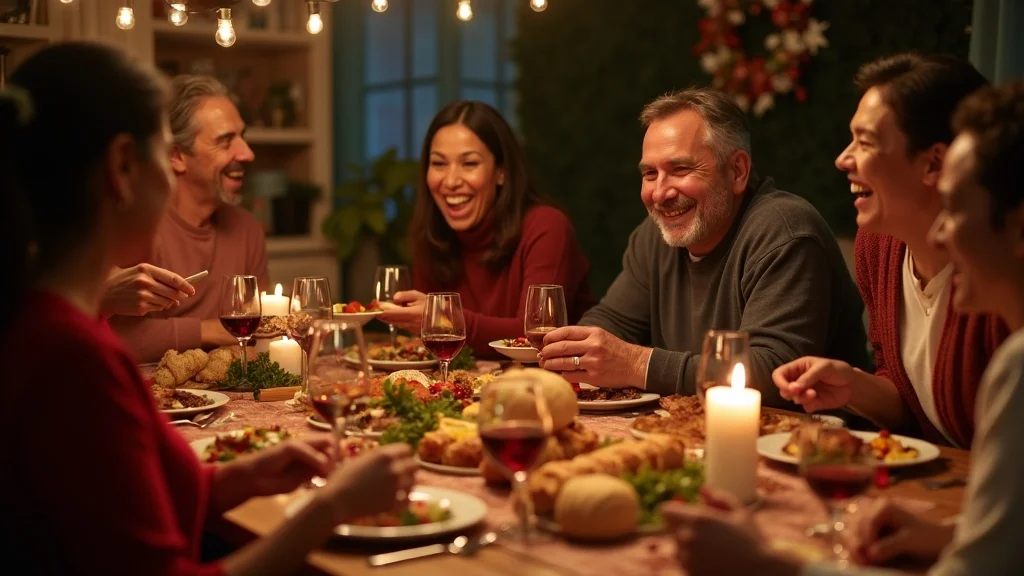
What You’ll Learn About Latin American Holiday Traditions
Key holiday celebrations and traditional foods in Latin America
How major holidays like Christmas Eve, Día de la Velitas, Las Posadas, and New Year’s mark a time of togetherness
The role of food in expressing cultural identity across Latin American families
Ways various Latin American countries create memorable family gatherings through holiday traditions
Latin American Holiday Traditions: Shared Roots, Diverse Expressions
The Significance of End-of-Year Holiday Traditions in Latin America
The importance of end-of-year Latin American holiday traditions goes far beyond mere celebration; they represent a powerful link between past and present, anchoring families and communities in rituals that have changed little over centuries, making these holiday traditions a vital part of cultural identity. Each year, whether it is Día de las Velitas in Colombia, Las Posadas in Mexico, Christmas Eve feasts in Peru, or festive New Year's gatherings, these moments provide a touchstone not only for honoring ancestral customs but for reaffirming the bonds of family and friendship.
For most Latin American families, these holiday traditions are not just about food and festivities; they are centered around shared experiences that involve everyone—from the youngest children helping in the kitchen to elders sharing tales of past celebrations. The season’s gatherings become a living classroom for language, music, and cultural history. The communal joy, laughter, and storytelling present in every reunion shine a spotlight on the values of hospitality, gratitude, and unity that permeate Latin American culture. This spirit is what makes each day celebration distinctly heartwarming, ensuring the holiday season is one of lasting meaning.
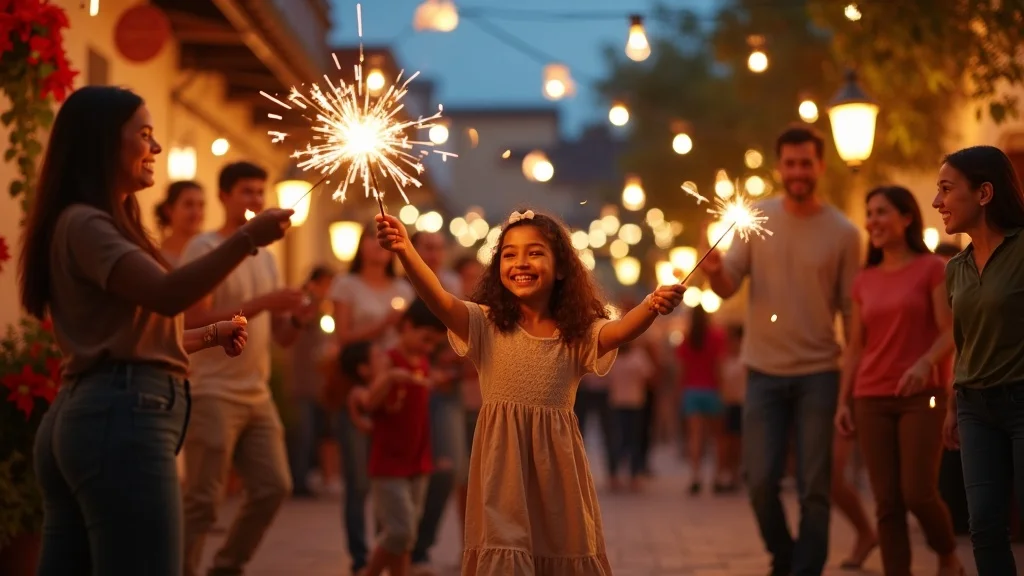
Common Threads Among Latin American Holiday Traditions
Despite the diversity found in each Latin American country, several common threads unify holiday traditions from the Caribbean to the Andes, highlighting the shared cultural values during the holiday season. The family meal is foundational; every celebration finds its center at the dinner table, where special seasonal dishes are lovingly prepared and shared among friends and relatives. Religious ceremonies, such as Misa de Gallo (Midnight Mass), highlight the spiritual dimensions of the holiday season, followed by communal feasts where the story of the birth of Jesus is honored.
Community gatherings are also a vital aspect, bringing together neighbors for processions, music, and dance. Many towns organize public festivities decorated with poinsettias, lights, and traditional banners, transforming plazas into vibrant spaces filled with energy and connection. The season’s soundtrack is brought to life by villancicos (Christmas carols), maracas, and guitars, echoing the belief that joy is best experienced collectively. Whether in the city or countryside, these core traditions create a tapestry that spans the entire region and highlights the warmth and resilience of Latin American cultural identity.
Family meals
Religious ceremonies such as Misa de Gallo
Community gatherings and processions
Traditional music and dance
The Magic of Food in Latin American Holiday Traditions
How Food and Tradition Strengthen Family Bonds
Across Latin America, the most cherished holiday traditions are frequently centered on food, with each dish telling a family’s story and connecting generations, especially during the holiday season. Cooking and sharing traditional recipes during Christmas Eve, Día de la Velitas, or New Year’s celebrations is not just an act of nourishment—it is a powerful celebration of heritage and identity.
It’s common for a grandmother and grandchildren to work side by side, folding tamales or rolling natilla, recounting tales of holidays past. Signature dishes vary by country but universally symbolize love, hope, and renewal for the coming year. These meals become cherished memories that persist long after the last bite, turning each gathering into a living celebration of cultural traditions. Through food, values are transmitted, languages are preserved, and the thread of family is pulled ever tighter.
For those interested in bringing a taste of authentic Latin American holiday feasts to their own table, exploring classic recipes like Peruvian holiday turkey can offer a delicious way to connect with these traditions. Discover step-by-step guidance and cultural insights in this guide to preparing Pavo Navideño, Peru’s festive holiday turkey.
Holiday |
Country |
Signature Dish(es) |
Cultural Significance |
|---|---|---|---|
Las Posadas |
Mexico |
Tamales, Ponche Navideño |
Reenacts Mary and Joseph’s journey |
Día de las Velitas |
Colombia |
Buñuelos, Natilla |
Marks start of Christmas season |
Christmas Eve (Nochebuena) |
Latin America |
Lechón, Pernil, Hallacas |
Family reunions, late-night feasts |
New Year’s Eve |
Various |
Twelve Grapes, Panettone |
Welcoming prosperity |
Día de Reyes |
Mexico, Puerto Rico |
Rosca de Reyes |
Honors the journey of the Magi |
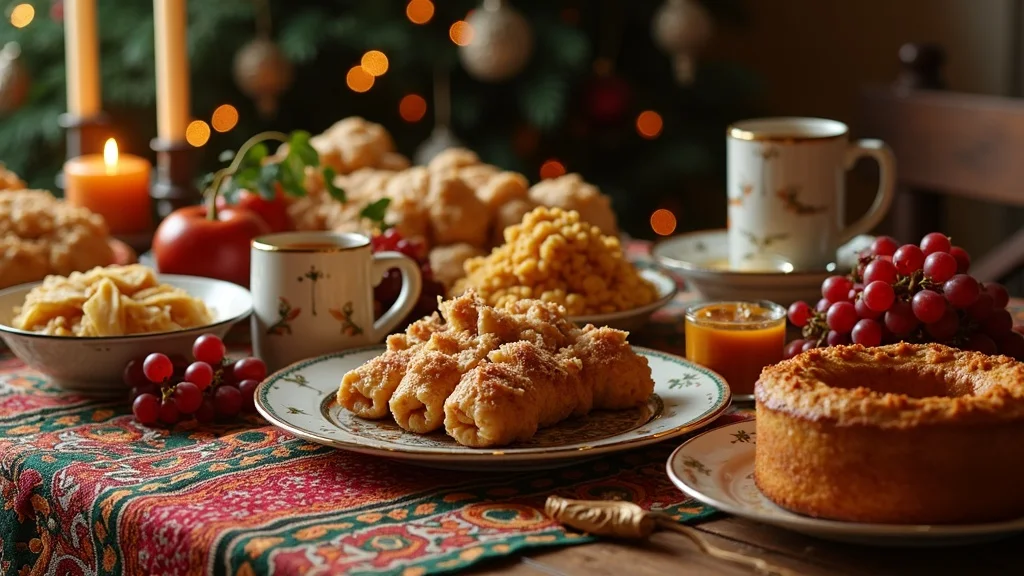
Country-by-Country: Latin American Holiday Traditions at the Table
Mexico: Las Posadas, Christmas Eve, and Family Feasts
Las Posadas: Processions, Tamales, and Ponche
The celebration of Las Posadas is a vibrant Mexican tradition held from December 16th to 24th, echoing the biblical journey of Mary and Joseph searching for shelter, and is one of the most beloved Latin American holiday traditions. Each night, families and neighbors take part in processions, carrying lanterns and singing carols. At the heart of every posada is the offering and sharing of beloved dishes such as tamales and a warm fruit punch known as ponche navideño.
This culinary ritual is about more than just flavors. The preparation of tamales is often a communal effort, with many hands working together—a vivid metaphor for the togetherness that defines Latin American holiday traditions. The steaming tamales, sweet ponche, and lively music create a sensory tapestry that marks the true beginning of the holiday season for many Mexican families.
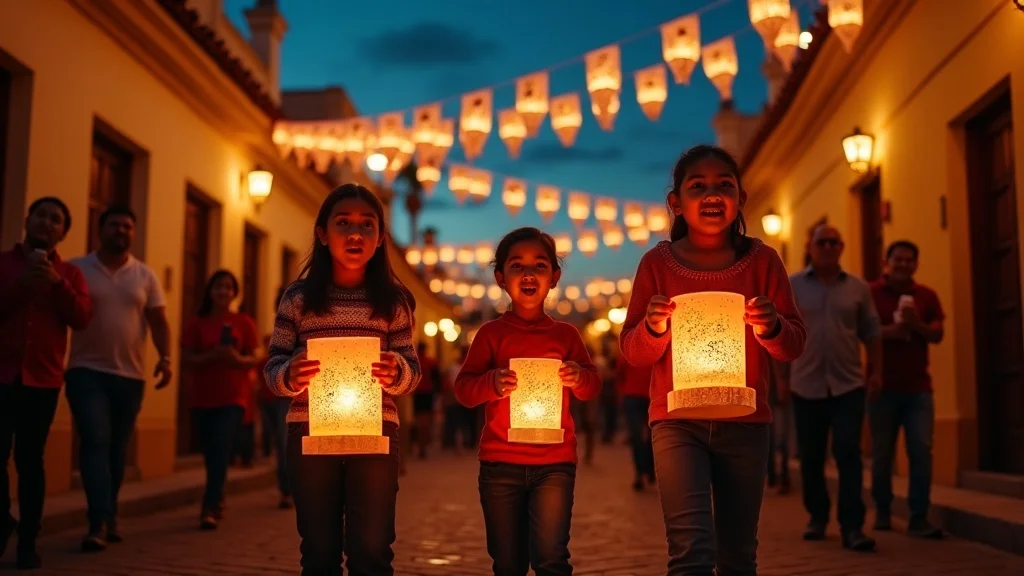
Christmas Eve: Misa de Gallo, Bacalao, and Family Gatherings
On Christmas Eve, or Nochebuena, families across Mexico come together for the midnight Misa de Gallo—a solemn church service that honors the birth of Jesus and is a cornerstone of Latin American holiday traditions. Following the service, homes come alive with laughter, music, and the sharing of deep-rooted dishes like bacalao (salted cod), ensalada de manzana, and more tamales. It’s a night defined by lasting hugs, late-night conversations, and the joyful anticipation of gifts and blessings.
For many, the essence of this tradition isn’t confined to the feast, but rather the gratitude for being surrounded by friends and family. Gathering around the table to eat and relive old stories strengthens familial bonds while preserving language and cultural customs for future generations. The spirit of de la Navidad radiates in every bite and every song—making Christmas Eve a highlight of the holiday season.
Puerto Rico & the Dominican Republic: Parrandas, Pernil, and Lechón Asado
Cultural Symbolism of Roasted Pork and Holiday Music
In Puerto Rico and the Dominican Republic, the holidays are filled with energetic parrandas—musical gatherings akin to Christmas caroling, often lasting through the night. Friends and neighbors go from house to house, singing and playing instruments, while platters of roasted pernil (pork shoulder) and lechón asado (whole roast pig) take center stage at family feasts.
The act of roasting pork during Latin American holiday traditions is steeped in symbolism, representing abundance, hospitality, and unity. These communal meals are typically served with rice dishes like arroz con gandules, fried plantains, and sweets. Together, the food and music weave traditions that echo with the soul of the Caribbean, inviting every generation to join celebration and remembrance.
Colombia: Día de las Velitas and Family Recipes for Buñuelos & Natilla
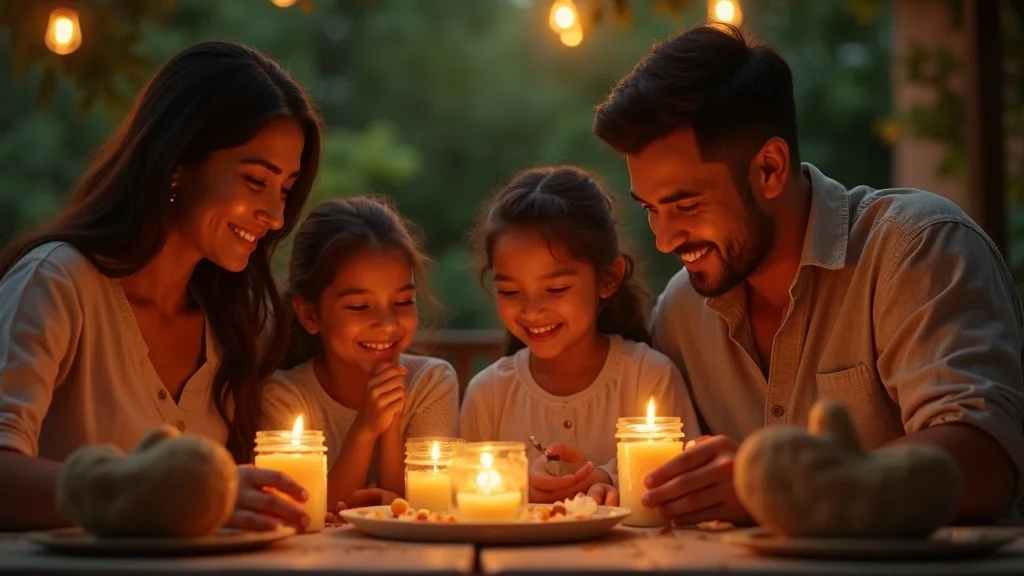
Colombia’s holiday season officially kicks off on December 7th with Día de las Velitas (Day of the Little Candles), illuminating cities and villages with thousands of candles and lanterns. Families gather to decorate walkways and windows, while the kitchen fills with the scents of buñuelos (savory cheese fritters) and natilla (a creamy coconut or milk-based custard).
These recipes have deep family roots, often handwritten and lovingly passed down. Lighting candles during Día de las Velitas is a symbolic act invoking hope, togetherness, and blessings for the year ahead, a cherished moment in Latin American holiday traditions. Sharing these simple but significant treats, Colombian families create lasting memories that transcend generations, embodying the heart of Colombian holiday traditions.
Peru and the Andean Region: Panettone, Chocolate Caliente, and Christmas Celebration
In Peru and across the Andean countries, Christmas is enriched by the tradition of sharing panettone—a sweet Italian bread adapted and loved throughout Latin America. Alongside steaming mugs of chocolate caliente, these treats fill tables as families laugh, exchange gifts, and recount the year’s stories.
Despite varying climates and customs, the universal act of gathering to enjoy these delicacies remains a cherished aspect of Christmas celebration. Chocolate and bread, both introduced and reinvented by Latin America, have become indispensable in the region’s distinctive holiday flavor.
Other Notable Holiday Traditions: Venezuela, Ecuador & Beyond
Every Latin American country offers its unique culinary additions to the season. In Venezuela, hallacas—cornmeal pies filled with meats, raisins, and olives, wrapped in plantain leaves—are meticulously prepared with family participation, often weeks in advance. Ecuadorians enjoy pristiños, sweet fried wheat rings served in syrup, as a holiday treat, while Brazilians toast the coming year with rabanada (French toast) and a hearty dish of lentils for good luck and abundance.
The diversity in dishes, preparation methods, and symbolism across Latin America highlights not just regional differences but the deep, shared joy of holiday celebration. Regardless of the country, the spirit of togetherness remains universal.
Venezuela’s Hallacas
Ecuador’s Pristiños
Brazil’s rabanada and lentils for good luck at New Year’s
The Spiritual and Festive Role of Food in Latin American Holiday Traditions
Religious and Communal Gatherings: Misa de Gallo and Midnight Meals
Religion is a cornerstone of Latin American holiday traditions, particularly evident in the practice of Misa de Gallo, the traditional midnight mass celebrated on Christmas Eve across the region. After the service, families head home for hearty feasts that last well into the early hours, symbolizing both spiritual renewal and communal joy. It’s an occasion where every bite, every prayer, and every hug reaffirms connections not just to faith, but to each other.
Gathering at midnight to enjoy classic dishes like pernil, lechón, tamales, and sweets like panettone or turrón is more than simply keeping tradition. It is an act of gratitude, togetherness, and hope for what the coming year will bring—a custom that endures and evolves as families grow and cultures blend.

Modern Takes on Classic Latin American Holiday Tradition
Today, many Latin American families honor their roots while embracing new influences. Urban celebrations may feature fusion dishes alongside time-honored classics, and technology allows relatives who live across borders to join in festivities virtually. Even amidst change, food remains the bridge connecting generations and honoring identity.
As families adapt to modern life, new layers are added to cherished holiday traditions. Younger generations might blend United States customs—such as decorating a Christmas tree or including international dishes—creating celebrations that reflect the realities and aspirations of Latin American communities today.
"Food is often the bridge that allows generations to connect and honor their heritage in every Latin American holiday tradition."
A dynamic walkthrough documentary capturing Latin American families during holiday preparations and celebrations, interspersing scenes of cooking signature dishes, decorating homes, music, dancing, candlelight ceremonies, and joyful shared meals. Features authentic home footage from Mexico, Colombia, Puerto Rico, and Peru with rich sound design (music, laughter, street processions) and a warm, inviting narrative focus.
People Also Ask: Insights into Latin American Holiday Traditions
What traditions are in Latin America?
Latin American holiday traditions include Las Posadas in Mexico, Día de las Velitas in Colombia, Parrandas in Puerto Rico, and unique Christmas and New Year’s celebrations in every country, typically involving special foods and community gatherings.
What are some traditions celebrated at Christmas time in Latin America?
Major Christmas celebrations in Latin America include midnight mass (Misa de Gallo), Nochebuena feasts, singing villancicos (carols), making tamales or hallacas, and exchanging gifts on Día de los Reyes.
What is the most celebrated holiday in Latin America?
Christmas is the most widely celebrated holiday in Latin America, bringing together friends and families of all generations for food, religious services like Misa de Gallo, and rich cultural rituals.
What are some celebrations in Latin America?
In addition to Christmas, Latin American countries celebrate Día de los Reyes, New Year’s Eve, Las Posadas, Día de las Velitas, and other regional festivals that highlight food and community.
Key Takeaways: Latin American Holiday Traditions and the Power of Food
Latin American holiday traditions center around food, family, and community.
Shared meals celebrate both religious faith and cultural identity.
Each country offers unique, flavorful takes on end-of-year festivities, but togetherness remains universal.
Discover More: Continue Exploring Latin American Holiday Traditions and Cultural Events
"Want to keep celebrating Latin American culture all year long? Explore festivals, traditions, and community stories in our Culture & Events section: https://latinamericandining.com/culture-events"
Conclusion: As festive tables are cleared and candles burn low, the greatest gift of Latin American holiday traditions is the memory of food, laughter, and time spent in unity. Discover, share, and savor these connections all year round.
If you’re inspired by the vibrant holiday traditions of Latin America, there’s a whole world of culinary heritage waiting to be explored beyond the festive season. From the sizzling grills of Argentina to the diverse flavors found across the continent, each country offers its own signature dishes and stories that celebrate family, history, and community. Take your appreciation of Latin American cuisine to the next level by discovering the unique ingredients, cooking techniques, and cultural influences that shape regional favorites. For a deeper dive into the rich tapestry of South American food culture, explore the distinctive flavors and traditions of Argentinian cuisine—a journey that promises to delight your senses and expand your culinary horizons.








Write A Comment