

Did you know? Nearly 80% of Latin American households celebrate Día de los Reyes with food rituals that date back centuries, yet no two family tables ever look exactly alike
Día de los Reyes Food Traditions: Unpacking the Legacy
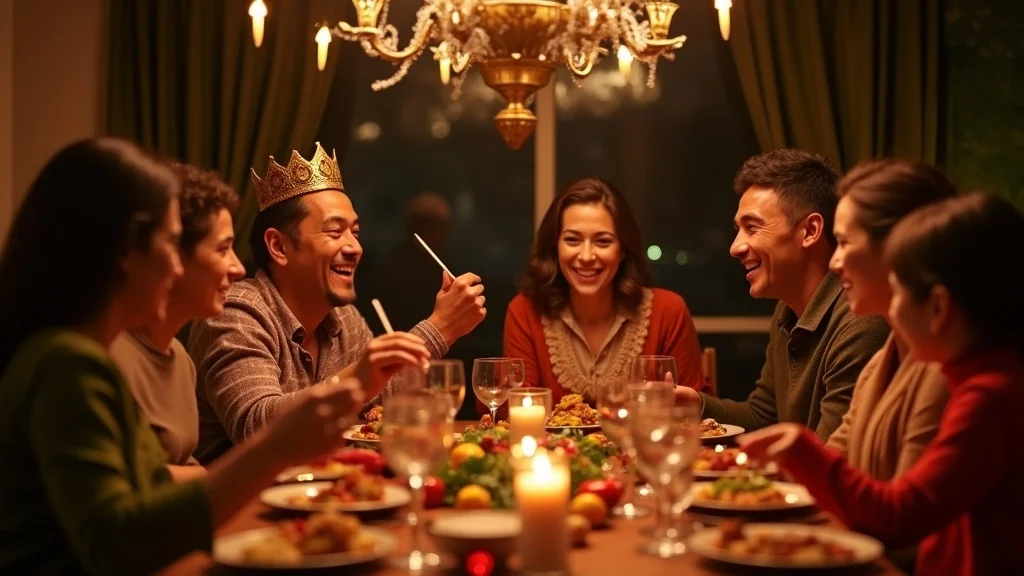
Día de los Reyes food traditions are far more than a delicious way to close the Christmas season—they are the beating heart of a cultural legacy that bridges the old world and the new. Marked by feasts, sweet breads, and family rituals, these celebrations unite rich histories with present-day Latin American identity. Whether in bustling Mexico City or coastal Puerto Rico, Kings Day traditions invite relatives, friends, and sometimes entire neighborhoods to the table.
From the famous rosca de reyes in Mexico to the colorful king cakes of the Caribbean, each dish layers meaning and memory into every bite. Food becomes more than nourishment: it is a vessel for storytelling, faith, and the reaffirmation of community bonds. Día de los Reyes, also called Epiphany or Three Kings Day, commemorates the biblical journey of the wise men (reyes magos) but, on a deeper level, asserts the importance of gathering “family to share”—an enduring value across Latin America. These day celebrations echo through time and across borders, keeping ancestral customs delightfully relevant for new generations.
“On Día de los Reyes, families across Latin America gather at tables rich with symbolism, not just flavor.” – Cultural Anthropologist Dr. Maria Ruiz
What You'll Learn About Día de los Reyes Food Traditions
The origins and history of Día de los Reyes food traditions
Regional differences in holiday foods
Symbolism found in the iconic rosca de reyes
How Día de los Reyes connects families and communities today
The Historical Significance of Día de los Reyes Food Traditions in Latin America
Traces of Wise Men in Día de los Reyes Celebrations
The roots of Día de los Reyes food traditions intertwine with both Catholic and indigenous celebrations dating back to the Spanish colonial period. When the wise men (or reyes magos) brought gifts to the baby Jesus, their arrival became a symbol of light, hope, and generosity throughout Latin America. Historically, the Epiphany marked the end of the Christmas season and ushered in communal feasts. Emphasis was placed on foods that could be prepared for and by large groups, strengthening neighborhood ties long after the last Christmas Eve festivity faded.
The practice of gathering to enjoy traditional sweet bread like rosca de reyes, or king cakes in Spain and the Caribbean, illustrates how colonial influences merged seamlessly with indigenous customs, creating something uniquely Latin American. Children often receive small presents, echoing the gifts brought by the wise men, and communities organize processions or pageants. All these rituals circle back to the importance of sharing food and fostering unity during and after the day of the kings.
How Kings Day Shapes Latin American Food Culture
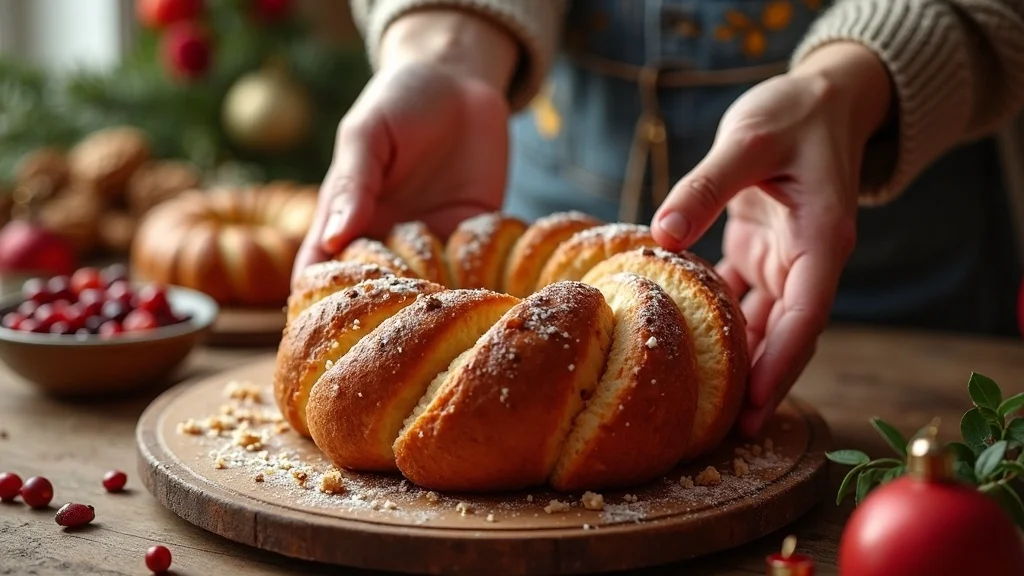
King’s Day or Día de los Reyes not only preserves the echoes of European and indigenous influences but also shapes modern food culture throughout Latin America. The foods served during this holiday are layered with symbolism—such as the hidden plastic figurine inside the rosca de reyes or bizcocho de reyes—which represents the baby Jesus and confers both luck and a joyful responsibility on the lucky finder. Sharing these foods at large tables brings parents, children, grandparents, and extended family together in ceremonial unity.
Across the region, the gastronomic expressions of Día de los Reyes help mark the passage of time, signal the close of the Christmas season, and offer an opportunity to reflect on the stories and values passed between generations. Whether it’s the creamy coquito in Puerto Rico or the festive hot chocolate that warms Mexican kitchens, food rituals bind people together and root each celebration in local identity.
For a closer look at how Puerto Rican communities celebrate with their own unique flavors and traditions, you might enjoy exploring the rich tapestry of Puerto Rican cuisine and holiday customs, which beautifully complement the broader Día de los Reyes festivities.
Most Popular Día de los Reyes Food Traditions by Country |
|
Country |
Most Popular Día de los Reyes Food Traditions |
|---|---|
Mexico |
Rosca de Reyes, Hot Chocolate |
Puerto Rico |
King Cake, Coquito |
Spain |
Roscón de Reyes, Hot Chocolate |
Dominican Republic |
Three Kings Cake |
Venezuela |
Torta de Reyes |
Rosca de Reyes and Beyond: Signature Día de los Reyes Food Traditions
Rosca de Reyes: Its Symbolism, Legends, and Family Rituals
Few foods are as iconic during Día de los Reyes as the rosca de reyes—a round, sweet bread studded with candied fruits and often adorned to resemble a crown. This bread is more than a centerpiece; it’s a lesson in symbolism. The circular shape stands for unity and eternity, while the colorful candied fruits represent the precious gems in the crowns of the reyes magos. Inside, a hidden figurine of baby Jesus brings excitement and suspense to the family table: tradition dictates that whoever finds the figurine will host a tamale feast on Día de la Candelaria (February 2), extending the season’s hospitality even further.
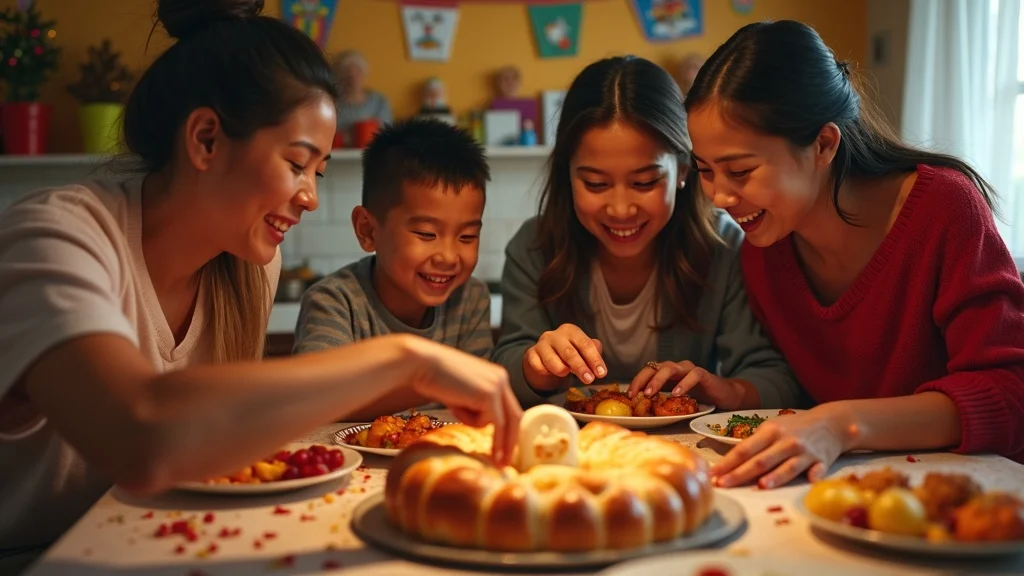
Families gather, sometimes spanning several generations, to cut into the rosca de reyes together. Laughter erupts with every slice as children and adults hope to avoid—or land—the tiny plastic figure hidden within. The act transforms bread into ritual and sharing into celebration. Even those who do not observe the holiday religiously often take part in these customs, as the day offers a reason for neighbors, friends, and strangers to connect over sweet bread and hot chocolate.
Other Popular Los Reyes Magos Culinary Customs
King Cake celebrations in Puerto Rico and Spain
Candies, chocolates, and festive drinks
The blend of indigenous and colonial food traditions
Beyond the beloved rosca, Día de los Reyes food traditions span a colorful array of confections and beverages. In Puerto Rico, King Cake shines with its vibrant colored sugar—echoing the attire of the magi—while coquito (a creamy coconut-based drink) adds celebratory warmth. In Spain, the Roscón de Reyes brings similar joy, often enjoyed with thick hot chocolate. Throughout Latin America, candies, chocolates, and festive drinks support the main event, blending indigenous flavors and colonial recipes in a display of creative heritage. The result is a table full of surprises and delights, suited for both young and old.
“The rosca de reyes is a lesson in history, faith, and community, all rolled—literally—into one.” – Historian Luis Fernández
Family, Community, and Connection: The Heart of Día de los Reyes Food Traditions
Gathering Around the Table: Modern Celebrations
Today, Día de los Reyes remains a living, evolving holiday, connecting relatives near and far—and even crossing into the United States, where many Latinx communities continue the tradition. Children in Mexico and across Latin America still place shoes under their beds or the family table, hoping the wise men will leave gifts, sweets, or toys overnight. In the morning, families gather for breakfast or lunch, with the rosca de reyes taking center stage amid laughter, playful banter, and shared anticipation around who will find the figurine this year.
Modern celebrations go beyond religious observance, welcoming all ages and backgrounds in the spirit of generosity, gratitude, and reunion. The simple act of splitting a sweet bread or sipping hot chocolate around a crowded table speaks volumes about the enduring power of community—messages that continue to resonate wherever día de los reyes food traditions are celebrated.
The Role of Traditional Mexican Food in Day of the Kings
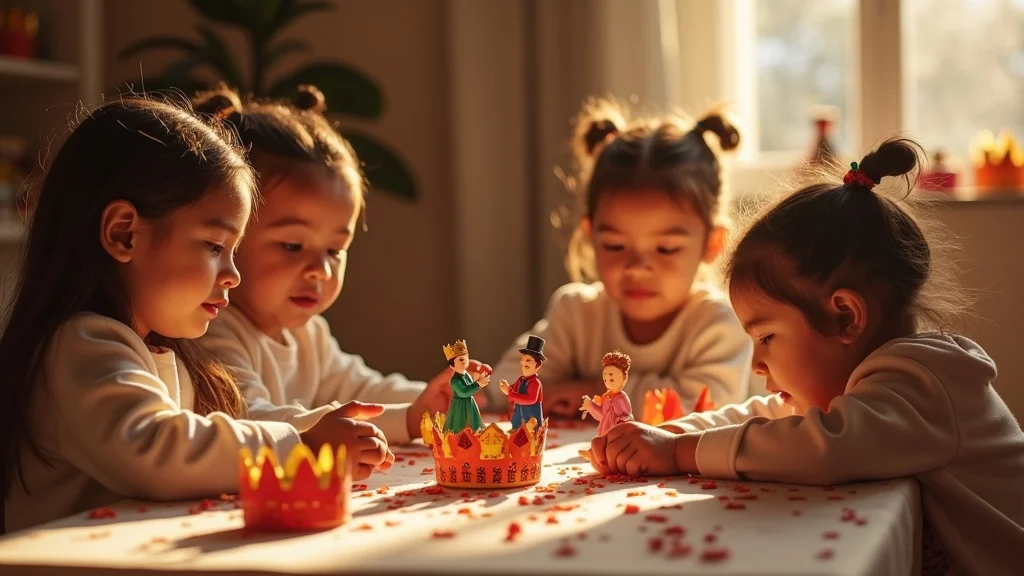
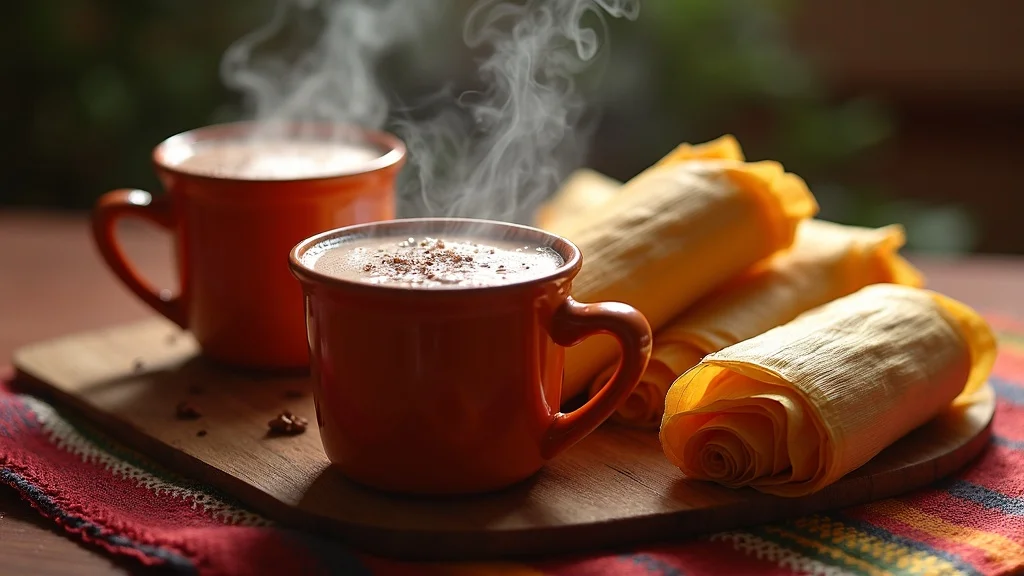
In Mexico, traditional Mexican food plays a starring role during Día de los Reyes, with tamales and hot chocolate frequently accompanying the iconic rosca de reyes. Tamales, a symbol of abundance and gathering, offer a savory balance to the sweet bread and further underscore the message of sharing. If luck brings you the hidden baby Jesus figurine, you’ll host the next feast—prolonging the spirit of hospitality.
This ritual reflects a broader trend throughout Latin America: extending festivities with food as the central act of generosity. From bustling urban neighborhoods to small towns, food traditions infuse the holiday with flavor and bring deeper meaning to the act of coming together.
People Also Ask: Día de los Reyes Food Traditions FAQs
What food is traditional for el Día de Los Reyes?
The most traditional food for el Día de Los Reyes is the rosca de reyes—a round or oval-shaped sweet bread garnished with candied fruits and sometimes filled with cream or chocolate. In Mexico, it is often enjoyed with hot chocolate, while in Puerto Rico and Spain, similar king cakes and festive drinks are customary. Each country may also include local treats, candies, and drinks, but the essence is always sharing with loved ones.
What food is served on 3 Kings day?
3 Kings Day tables commonly feature sweet breads like rosca de reyes or its regional equivalents. In Mexico and many Latin American communities, hot chocolate and tamales complement the main bread. The Caribbean regions add their signature king cakes and beverages, such as coquito. The unifying element is food that brings people together, symbolizing both spiritual and cultural abundance.
What do Mexicans eat on Three Kings Day?
On Three Kings Day in Mexico, families enjoy rosca de reyes along with traditional Mexican foods such as tamales and rich mugs of hot chocolate. The bread’s hidden figurine and candied fruits infuse the meal with anticipation and symbolism, while the savory tamales highlight the event’s deep social roots. This delicious trio is designed not just for sustenance, but to celebrate unity and tradition.
What are the traditions of Día de Los Reyes?
Día de los Reyes traditions include gathering with family and friends to share special foods, most notably the rosca de reyes. Children leave out shoes for gifts from the wise men, and whoever finds the figurine in the bread is expected to host a feast on Día de la Candelaria. The day is also marked by community gatherings, parades, and music—each tradition reinforcing the central themes of giving and connection.
Regional Variations in Día de los Reyes Food Traditions
Distinctive Día de Reyes Celebrations Across Latin America
While the symbolism of Día de los Reyes crosses borders, each country expresses its unique flavor through regional foods and rituals. In Venezuela, Torta de Reyes—a sweet, rich cake—anchors community festivities and is often shared among neighbors. The Dominican Republic celebrates with Bizcocho de Reyes, commonly paired with steaming hot cocoa. These distinctive interpretations add to the broader “de los reyes” tapestry, ensuring every family finds personal meaning in shared customs.
Many regions incorporate pre-Columbian or indigenous food traditions, adding native spices or local fruits to classic recipes. This blending of traditions showcases the adaptability and resilience of Latin American cultures, making each celebration a unique reflection of its community’s history and people.
Comparing Traditional Mexican Food with Customs in Other Countries
Traditional Mexican food on Día de los Reyes, such as rosca de reyes and tamales, stands out for its symbolic ingredients and elaborate family rituals. While the rosca’s bright candied fruits and hidden baby Jesus figurine are distinctly Mexican, other countries favor variations of the king cake with their own symbolic elements—colored sugars in Puerto Rico or sharing cakes among neighbors in Venezuela.
These differences underscore a central truth: regional customs enrich the shared meaning of Día de los Reyes. Comparing traditions, one finds that while the details differ, the emphasis on unity, hope, and joy remains constant throughout Latin America.
Regional Día de los Reyes Food Traditions |
||
Country |
Regional Specialty |
Symbolic Elements |
|---|---|---|
Mexico |
Rosca de Reyes |
Figurine of baby Jesus hidden inside |
Puerto Rico |
King Cake |
Colored sugar to represent the Magi |
Venezuela |
Torta de Reyes |
Shared among neighbors |
Dominican Republic |
Bizcocho de Reyes |
Often paired with hot cocoa |
Why Día de los Reyes Food Traditions Matter Today
Preserving Heritage and Strengthening Community Bonds
Día de los Reyes food traditions are not static; they are living connections to history and heritage. By coming together to celebrate Kings Day with distinctive foods, families and communities keep ancestral customs alive, ensuring each new generation grows up surrounded by stories, flavors, and shared rituals. The celebration strengthens identity and solidarity, particularly for those living abroad who seek to preserve their roots in a changing world.
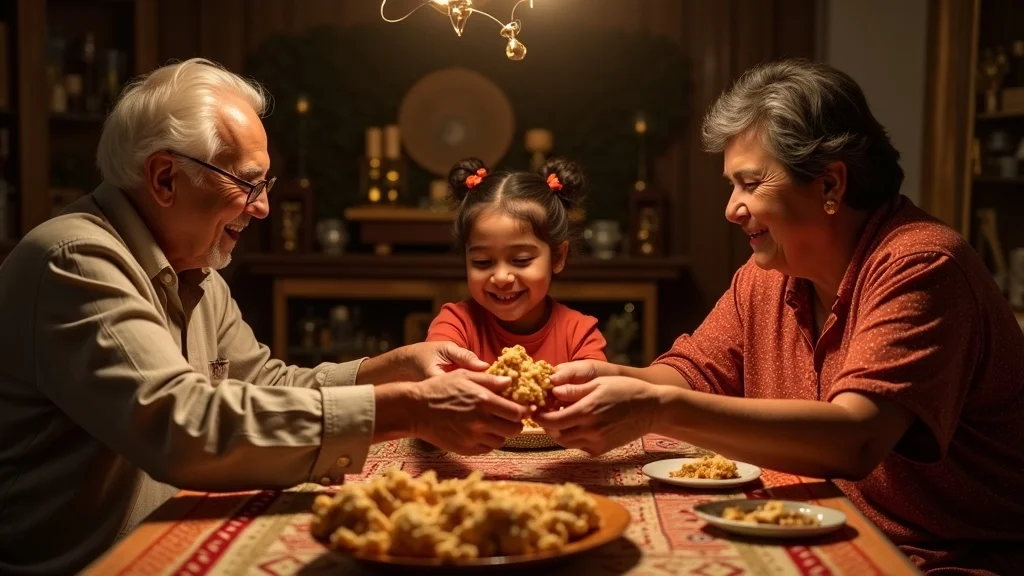
Festive foods serve as the centerpiece of this preservation. Whether passing a slice of rosca to a grandchild or toasting with coquito among friends, each gesture radiates the values of generosity, hope, and community essential to Día de los Reyes. The holiday’s culinary customs act as touchstones, reminding families that their story is part of a much larger, ever-evolving cultural tapestry.
Evolution of Day of the Kings Food and Symbolism in Modern Latin America
As Día de los Reyes traditions adapt to modern life, new customs merge with the old. In cosmopolitan cities, bakeries create inventive twists on rosca de reyes with flavors like chocolate or regional fruits, while families abroad might gather virtually or integrate local ingredients into classic recipes. The essence, however, remains unchanged: celebration through food, remembrance, and unity.
Día de los Reyes fosters intergenerational connection
Celebrations maintain links to ancestral customs
Festive foods encourage community sharing and inclusivity
“Food on Día de los Reyes is more than nourishment; it’s a bridge between the past and future.” – Chef Jorge Martinez
Frequently Asked Questions About Día de los Reyes Food Traditions
How did the rosca de reyes tradition start?
Its origin traces back to European Epiphany celebrations brought by Spanish colonists and adapted with regional flavors and customs in Latin America.Is Día de los Reyes a public holiday?
In many Latin American countries, yes; however, in some regions it is celebrated as a major religious and cultural event without formal public holiday status.What does finding the figurine in the rosca mean?
Discovering the figurine designates you as the host of a tamale feast on Día de la Candelaria, further extending the season of togetherness and celebration.
Key Takeaways on Día de los Reyes Food Traditions
Día de los Reyes food traditions reflect deep cultural meanings and shared histories
Food rituals symbolize unity, hope, and renewal
Regional diversity enriches the meaning of each celebration
Looking for More Día de los Reyes Food Traditions?
If you’re inspired to discover how Día de los Reyes fits into the wider landscape of Latin American celebrations, the Culture & Events section on Latin American Dining offers a wealth of stories, insights, and upcoming festivities. Dive deeper into the vibrant world of Latin American culture and find new ways to celebrate, connect, and savor every tradition throughout the year.








Write A Comment