Add Row
Add Element
Latin American Dining - Celebrating Food, Culture, and Community
update
Sharing the Latin Flavors of Western New York and beyond.
update
Add Element
  • Home
  • Categories
    • Restaurant Profiles
    • Mexican
    • Puerto Rican
    • Dominican
    • Colombian
    • Peruvian
    • Venezuelan
    • Cuban
    • Argentinian
    • Culture & Events
    • Entertainment
    • For Restaurant Owners
November 30.2025
1 Minute Read

Holiday Flavors Across Latin America: Dishes, Traditions & Festive Favorites

Imagine walking into a home filled with laughter, the warmth of twinkling lights, and the irresistible aroma of sizzling spices and sweet bread, classic elements of Latin American holiday food, rising from the kitchen. All around the holiday table, families gather to share not just food, but cherished stories, memories, and authentic flavors that define Latin American Christmas food traditions. This is the joy of Latin American holiday food: every dish, from smoky tamales to creamy arroz con leche, is an invitation to celebrate tradition, connection, and unity. In this festive journey, we’ll explore the iconic dishes, regional favorites, and cherished customs that make holiday feasts across Latin America truly unforgettable.

Savor the Holiday Spirit: The Story of Latin American Holiday Food Traditions

At the heart of every Latin American celebration is food—vivid, flavorful, and lovingly prepared. The holiday season sweeps across Latin American countries with time-honored traditions, bringing friends and families together for vibrant feasts that capture the spirit of Christmas, the joy of New Year’s, and the wonder of Día de Reyes. These gatherings go beyond indulgent meals; they keep heritage alive and ignite a sense of belonging, often uniting generations around a single holiday table. From Mexico’s steamy tamales to Venezuela’s savory hallacas and Puerto Rican pernil, these iconic Latin American Christmas foods are painstakingly crafted to honor ancestors and create new holiday memories. Each recipe weaves together indigenous roots, European influence, and African heritage, bringing a unique blend of flavors and customs to every festive table.

"A holiday table in Latin America is more than a meal—it's a celebration of heritage, memory, and flavor."

Festive Latin American family gathers around a holiday table enjoying traditional holiday foods. Laughter, toasting with drinks, and a spread of classic Latin American holiday food—tamales, pernil, hallacas—surround the table in a warmly lit home.

What You'll Learn About Latin American Holiday Food

  • Discover classic and lesser-known Latin American holiday food dishes

  • Learn about unique holiday season culinary customs from across Latin America

  • Find out which popular Christmas foods and Latin American Christmas food dishes are must-tries in different countries

  • Explore popular side dish favorites, desserts, and main courses celebrated during festive holiday table gatherings across Latin America

  • Get inspired to try or find Latin American Christmas food at local restaurants

A Table of Latin American Holiday Food Traditions by Country

Country

Signature Dish

Holiday Celebration

Must-Try Side Dish

Mexico

Tamales

Christmas, Nochebuena

Romeritos

Puerto Rico

Pernil

Christmas, New Year’s

Arroz con gandules

Venezuela

Hallacas

Christmas

Pan de jamón

Colombia

Buñuelos

Christmas

Natilla

Argentina

Asado

Christmas

Ensalada rusa

Peru

Panetón

Christmas, Epiphany

Arroz arabe

Dominican Republic

Pastelón

Christmas

Telera bread

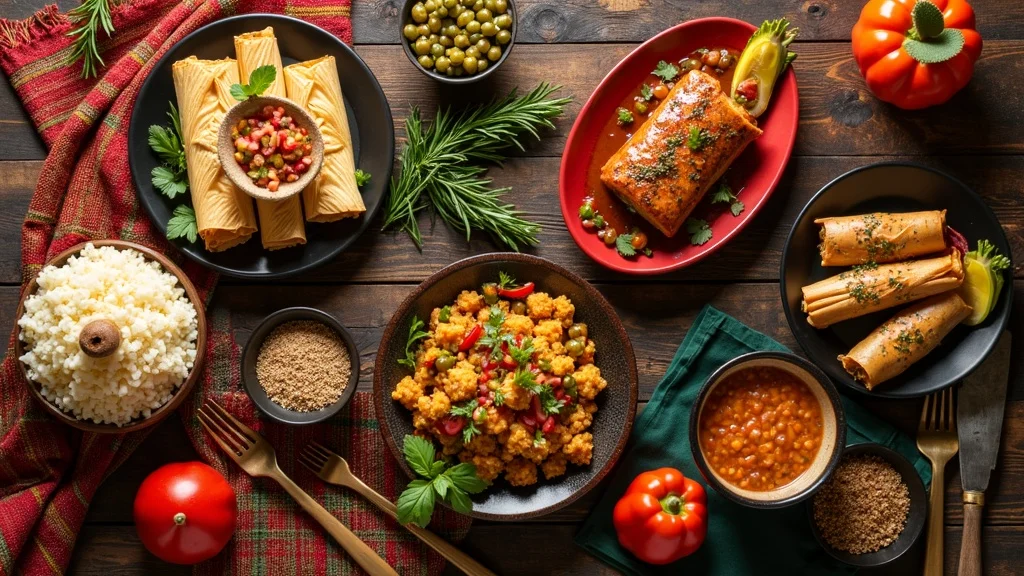
Overhead view of classic Latin American holiday food: tamales, pernil, hallacas, Pan de jamón, and festive side dishes arranged on a rustic table with colorful textiles in natural light.

Top 10 Festive Latin American Holiday Food Dishes to Try

  1. Tamales (Mexico, Guatemala, El Salvador): A Latin American holiday food essential, tamales feature masa (corn dough) filled with savory or sweet ingredients and wrapped in corn husks. Each region offers its own take—some use chicken, pork, mole, or even fruit. Preparing tamales is a cherished Christmas tradition, often involving the whole family in a “tamalada,” or tamale-making party. The anticipation as you unwrap a steaming tamal on the holiday table is a highlight of Latin American holiday food celebrations.

  2. Pernil (Puerto Rico): Serving as the centerpiece of the Puerto Rican holiday table, pernil is a slow-roasted pork shoulder marinated in garlic, citrus, and spices, a beloved Puerto Rican Christmas food staple, a beloved Puerto Rican Christmas food, a beloved Puerto Rican Christmas food staple. The result is tender meat with perfectly crisped skin. Often accompanied by arroz con gandules, it’s the dish everyone looks forward to during Christmas dinner and New Year’s celebrations.

  3. Hallacas (Venezuela): Venezuelan hallacas combine indigenous and European flavors in corn dough filled with a stew of meats, olives, capers, and raisins, wrapped in banana leaves. Families gather together during the holiday season to prepare them—a unique culinary ritual that doubles as a festive bonding experience.

  4. Buñuelos (Colombia, Mexico): Light, sweet, and fluffy, buñuelos are popular Latin American Christmas foods—deep-fried dough balls enjoyed as festive snacks or desserts. Their crispy exterior and soft center are often accompanied by natilla, a creamy custard. These tasty treats appear on many Latin American Christmas food menus.

  5. Coquito (Puerto Rico): This creamy coconut-rum eggnog is a holiday favorite, offering an island twist to traditional egg-based drinks. Infused with cinnamon, vanilla, and sometimes nutmeg, coquito is lovingly shared at Christmas parties—its richness and hint of spice perfectly match the season’s festivities.

  6. Pan de jamón (Venezuela): Pan de jamón is a savory-sweet bread roll filled with ham, green olives, and raisins—a staple on the Venezuelan holiday table. Its mix of flavors and glossy crust make it one of the must-have Latin American Christmas foods.

  7. Arroz con leche (Throughout Latin America): Creamy and fragrant, arroz con leche is a classic rice pudding spiced with cinnamon and sometimes citrus peel or raisins. It delivers pure comfort, finishing off many a hearty American Christmas food spread on a sweet note.

  8. Romeritos (Mexico): Romeritos blend indigenous romerito greens with mole and potatoes, often served with dried shrimp patties. A distinctive side dish, it’s among the unique flavors to grace the Mexican Christmas food spread.

  9. Ponche Crema (Venezuela): Filled with the flavors of nutmeg, cinnamon, vanilla, and rum, ponche crema is Venezuela’s creamy, boozy answer to eggnog. Served cold in chilled glasses, it’s the drink of choice for celebrating the festive season.

  10. Ensalada Rusa (Argentina/Uruguay): Creamy potato salad, made with potatoes, carrots, peas, and mayonnaise, is always welcome alongside asado—a feast of grilled meats. This salad brings a soft, cool, and rich contrast to an otherwise smoky and savory holiday meal.
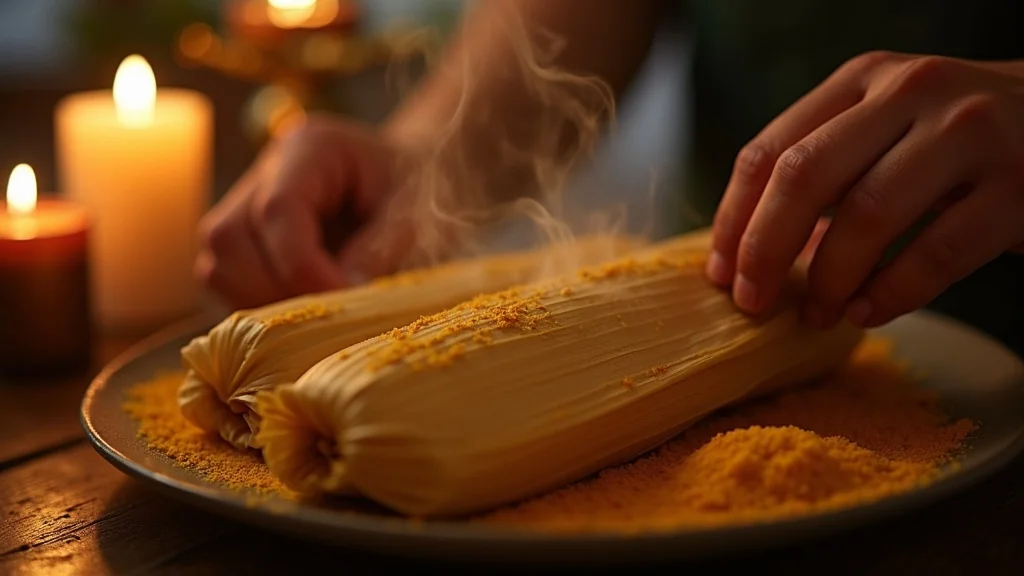
Close-up of hands unwrapping steamy corn husks from tamales on a festive kitchen table during the holiday season. Candlelight, mole sauce, cornmeal, and classic Mexican Christmas food ingredients nearby.

Holiday Traditions Across Latin America: More Than Just Holiday Food

Across Latin America, holiday season celebrations extend far beyond the food, embracing rich traditions and festive Latin American holiday food. Holiday season traditions are rooted in faith, family connection, and community rituals—each one shaped by centuries of cultural exchange. From the candle-lit gatherings of Nochebuena to the lively toasts on New Year’s Eve, every custom deepens the meaning behind the meal. While main dishes get plenty of attention, the warmth and laughter shared around the holiday table is the heart of the festivities, making each occasion memorable for all.

If you’re inspired by the diversity of festive dishes, you might enjoy exploring how specific countries elevate their holiday tables with signature recipes. For example, Argentina’s asado is not only a Christmas favorite but also a year-round tradition—discover the cultural significance and flavors of this iconic barbecue in this deep dive into Argentinian asado in Bariloche.

Nochebuena: The Christmas Eve Feast in Latin American Homes

Nochebuena—Christmas Eve—is the most anticipated night in many Latin American households. As midnight approaches, families gather for a lavish Christmas dinner featuring multi-course spreads of classic American Christmas foods—tamales, roasted meats, empanadas, rich stews, and more. The meal is punctuated by laughter, music, and holiday prayers, reinforcing the values of gratitude and togetherness. For many, opening gifts and attending midnight Mass are woven into the evening’s traditions, but it’s the conversations and shared plates that linger long after the last bite. Nochebuena’s joy is universal—no matter where you are in Latin America, the spirit of the season shines brightest around the holiday table.

Latin American family shares a vibrant Nochebuena feast: lively conversation, passing plates, and classic Christmas foods under a decorated tree and warm lights in a festive living room.

Año Nuevo & Día de Reyes: Ringing in the New Year and Epiphany with Special Latin American Christmas Food

As the clock strikes midnight on December 31st, Latin American holiday food traditions mark the start of the Año Nuevo (New Year). Tables overflow with grilled meats, tropical fruits, and sparkling drinks—a nod to abundance and new beginnings. In many homes, symbolic foods like grapes (one for each stroke of midnight) or lentils are savored for luck. Soon after, Día de Reyes (Epiphany) honors the arrival of the Three Wise Men, celebrated with Roscón de Reyes, a festive sweet bread decorated with candied fruits. It’s often accompanied by hot chocolate or atole, and sometimes a small figurine is hidden inside for a playful surprise. These holiday moments once more bring family, faith, and festivity together over food.

Family, Faith, and Festivity: The Heart of the Holiday Table

While every country has its unique menu, what unites Latin American Christmas food is the joy of sharing. Whether it’s the warmth of passing a steaming side dish or saying a holiday prayer before digging in, every tradition underscores the values held close—love, heritage, gratitude, and hospitality. The act of preparing and serving Latin American holiday food transforms meals into celebrations of identity, ensuring that each holiday season lives on through the connections forged at the table.

Sides, Sweets & Sips: Popular Latin American Holiday Food for Every Palate

The holiday table isn’t complete without a parade of tempting side dishes, desserts, and festive drinks. From silky smooth arroz con leche to heaping bowls of mashed potatoes and inventive local sides, Latin American Christmas food is a delicious invitation to sample new delights. Sweet, savory, and sometimes a little boozy, these plates and glasses invite everyone at the table to find their perfect holiday bite.

Arroz con Leche: Creamy Holiday Dessert Classic

No Latin American holiday food feast is complete without arroz con leche, a beloved creamy dessert with deep roots in both European and Latin American cuisines. This creamy rice pudding, simmered with milk, sugar, cinnamon, and sometimes citrus peel or raisins, is the perfect sweet ending to a rich meal. Its comfort lies in the familiar warmth of well-known flavors, and it’s often prepared for gatherings both large and small. Across Latin America, you might find local twists on arroz con leche—condensed milk in Costa Rica, orange zest in Mexico, or coconut milk in Puerto Rico—adding unique flavors to this classic holiday dessert. No matter where it’s served, arroz con leche draws families closer, symbolizing unity on the holiday table.

Mashed Potatoes & Local Side Dishes: Blending Traditions on the Holiday Table

While mashed potatoes are familiar worldwide, in Latin America they’re given a festive twist with local herbs and olive oil, making them a beloved side dish on the holiday table. Additions like olive oil, roasted garlic, and local herbs make each country’s version unique. Alongside mashed potatoes, you’ll find a dazzling array of local side dishes: romeritos with mole in Mexico, ensalada rusa in Argentina and Uruguay, or sweet natilla in Colombia. These accompaniments showcase the region’s blend of native and imported crops—plantains, cassava, maize, and root vegetables star beside old favorites. Each side dish not only bursts with flavor but tells the story of the land and the hands that made it, making every plate a connection point between generations.

Latin American Christmas Drinks: Coquito, Ponche Crema, and More

Holiday celebrations wouldn’t be complete without something delightfully sippable. Coquito from Puerto Rico and Ponche Crema from Venezuela top the list—these creamy, spiced, rum-based drinks are essential for toasting to friendship and family. Served over ice and garnished with cinnamon sticks, they warm hearts as much as they sweeten the palate. Throughout winter, other sips like Andean chicha and Mexican atole offer comfort as festive nightcaps or midday treats. Adventurous drinkers might delight in spiced hot chocolates or even homemade fruit punches—each one a flavorful journey into the essence of Latin America’s holiday season.
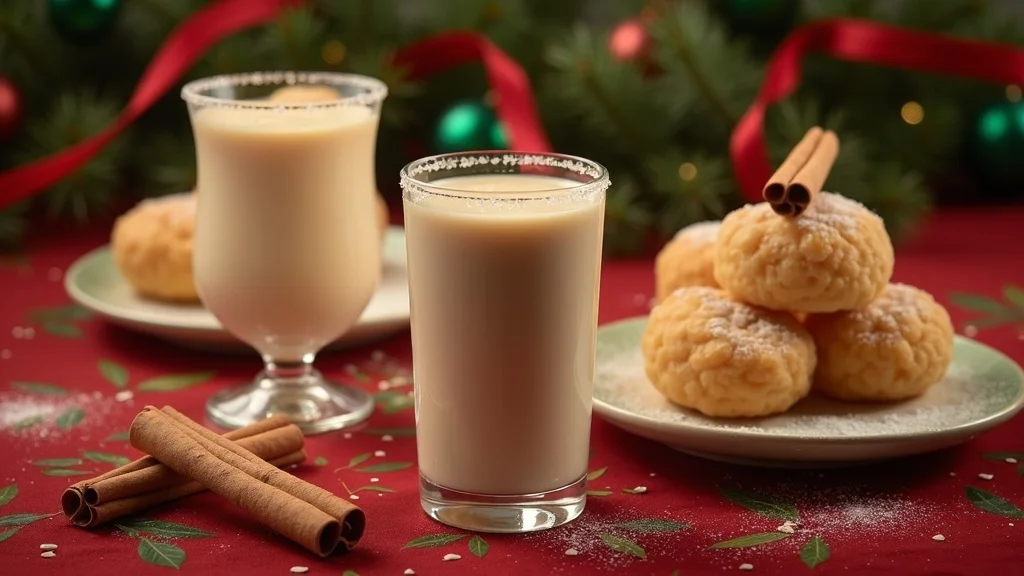
Close-up of classic Latin American holiday drinks—coquito, ponche crema—and desserts, including arroz con leche and buñuelos, on an elegant red and green holiday tablecloth, cinnamon sticks and powdered sugar visible.
  • Buñuelos: Sweet holiday treats enjoyed across Latin America

  • Roscón de Reyes: Festive ring-shaped bread for Día de Reyes

  • Chicha and Atole: Holiday warmers in the Andes and Mexico

Discovering Latin American Holiday Food in Western New York

You don’t have to travel far to savor authentic Latin American holiday food. In Western New York, vibrant restaurants and bakeries bring a flavorful slice of the tropics and Andes to your local community. Whether you crave handmade tamales, crave-worthy pernil, or crave the sweetness of arroz con leche, you’ll discover a world of festive options right at your doorstep. These establishments don’t just serve food; they share culture, passion, and the warmth of home—creating a holiday experience that welcomes everyone in to taste the spirit of Latin America.

Local Restaurants Serving Authentic Latin American Christmas Food

In Western New York, local restaurants proudly serve up the full spectrum of authentic Latin American Christmas food, from tamales to pernil and traditional side dishes. Think steamy tamales from Mexico, rich Puerto Rican pernil with arroz con gandules, and mouthwatering hallacas handcrafted by Venezuelan families. Several eateries also feature unique side dishes, like Colombian natilla and sweet telera bread from the Dominican Republic. Visiting these restaurants offers more than just a meal—it’s a chance to connect with community and savor festive recipes that have been perfected and shared across generations.

Latin American Ingredients to Try at Home in the Holiday Season

Curious to recreate classic Latin American holiday food at home? Look for fresh plantains, cassava, rice, tropical fruits, and signature spices like cumin, cinnamon, and annatto. Seek out corn meal for tamales and masa-based treats, rich chocolates for mole or desserts, and native beans for hearty stews. For sweet temptations, coconut milk and condensed milk are pantry staples. With these ingredients at your fingertips, you can experiment in your own kitchen, blending traditional flavors for a memorable holiday season. Start simple: try homemade arroz con leche or a festive batch of coquito and enjoy a taste of Latin America, wherever you are.
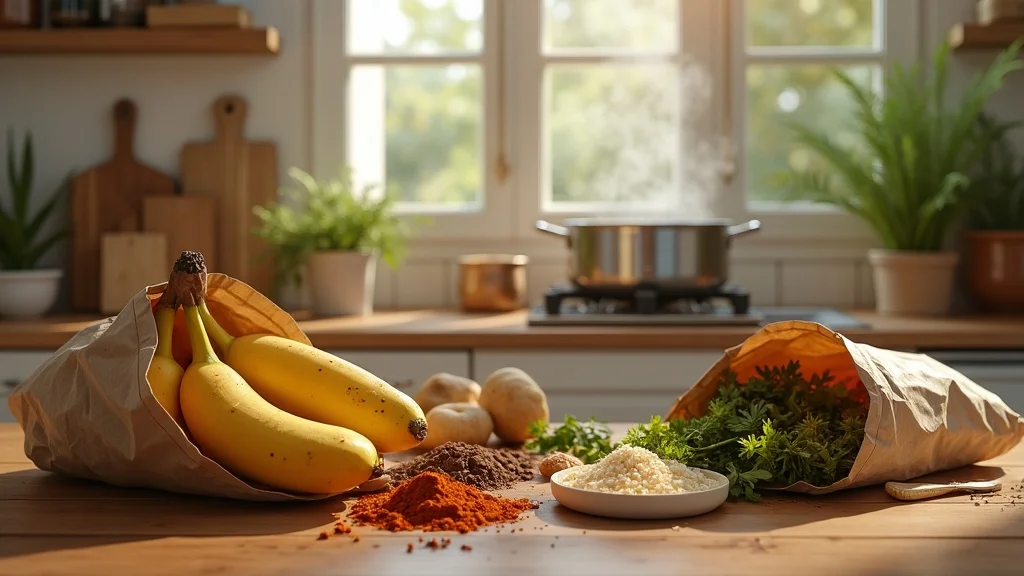
Inviting kitchen countertop with Latin American holiday ingredients: fresh plantains, cassava, spices, chocolate, rice, and a recipe card in a sunlit kitchen.

People Also Ask (PAA): Latin American Holiday Food

What is traditional Latin American food?

Traditional Latin American food refers to the diverse flavors, staples, and dishes with indigenous and colonial influences, celebrated especially during holiday season and family gatherings.

What Hispanic food is a holiday tradition to make?

Popular holiday traditions include making tamales, hallacas, pernil, arroz con leche, and a range of sweets that bring families together each holiday season.

What do the Spanish eat on Christmas Day?

Spanish Christmas tables highlight dishes like seafood starters, roast lamb, turrón, and roscón de reyes, blended with Latin American flavor in immigrant households.

What is a traditional Mexican Christmas food?

Tamales and romeritos are must-have Mexican Christmas foods, accompanied by pozole, bacalao, buñuelos, and ponche.

FAQs: Your Guide to Latin American Holiday Food

  • What makes Latin American holiday food unique?
    The combination of indigenous, African, and European influences, festive presentations, and the importance of family gatherings make these dishes stand out. Every recipe tells a story and is often prepared communally, blending history with flavor.

  • Which side dish is most common during Latin American Christmas?
    Creamy potato salads like ensalada rusa, plantain-based sides, and rice dishes such as arroz con gandules or arroz arabe are popular across Latin American tables.

  • Are there vegan or vegetarian Latin American holiday dishes?
    Yes! Dishes like romeritos (without shrimp), bean stews, various salads, mashed potatoes, and even some desserts like arroz con leche (using plant milk) are delicious plant-based options.

  • How do holiday season foods differ across Latin America?
    Each country highlights its local crops, history, and tastes. While tamales, rice puddings, and roasted meats are nearly universal, ingredients, seasonings, and methods can be uniquely tailored—reflecting regional climates and cultural traditions.

Key Takeaways on Latin American Holiday Food

  • Latin American holiday food showcases joyful blends of indigenous, African, and European influences.

  • Holiday season meals bring families together for memorable traditions.

  • Local WNY restaurants offer authentic tastes of Latin America’s festive season.

  • Every holiday table tells a story—find your flavor this season.

Continue Your Flavorful Journey With Latin American Holiday Food

"Food is our most delicious connection to tradition—let every bite of Latin American holiday food be an invitation to celebrate, explore, and savor cultural heritage, near or far."

If you’re eager to expand your holiday repertoire or want to bring a new twist to your festive table, why not try a classic dish from another Latin American country? For those interested in adding a Peruvian touch to their celebrations, mastering a traditional holiday turkey can be a rewarding culinary adventure. Discover step-by-step guidance and authentic flavors in this guide to preparing Peruvian pavo navideño. Exploring new recipes not only delights your guests but also deepens your appreciation for the rich tapestry of Latin American holiday traditions. Let your next gathering be a celebration of both heritage and discovery!

Want to keep celebrating Latin American culture all year long? Explore festivals, traditions, and community stories in our Culture & Events section: https://latinamericandining.com/culture-events

Culture & Events

0 Comments

Write A Comment

*
*
Related Posts All Posts
02.20.2026

The Margarita: How One Drink Became Part of Everyday Latin Dining Culture

A look at how the margarita became a year-round presence in Latin dining culture and why it continues to appear on tables regardless of season.

02.10.2026

A Winter Soup Tradition Still Showing Up in Downtown Buffalo

As winter settles into its coldest stretch, traditional Mexican soups continue to serve as steady, restorative meals. This spotlight looks at how those traditions show up locally in downtown Buffalo.

01.01.2026

Día de los Reyes: Food Traditions and Cultural Meaning Across Latin America

Did you know? Nearly 80% of Latin American households celebrate Día de los Reyes with food rituals that date back centuries, yet no two family tables ever look exactly alikeDía de los Reyes Food Traditions: Unpacking the LegacyDía de los Reyes food traditions are far more than a delicious way to close the Christmas season—they are the beating heart of a cultural legacy that bridges the old world and the new. Marked by feasts, sweet breads, and family rituals, these celebrations unite rich histories with present-day Latin American identity. Whether in bustling Mexico City or coastal Puerto Rico, Kings Day traditions invite relatives, friends, and sometimes entire neighborhoods to the table.From the famous rosca de reyes in Mexico to the colorful king cakes of the Caribbean, each dish layers meaning and memory into every bite. Food becomes more than nourishment: it is a vessel for storytelling, faith, and the reaffirmation of community bonds. Día de los Reyes, also called Epiphany or Three Kings Day, commemorates the biblical journey of the wise men (reyes magos) but, on a deeper level, asserts the importance of gathering “family to share”—an enduring value across Latin America. These day celebrations echo through time and across borders, keeping ancestral customs delightfully relevant for new generations.“On Día de los Reyes, families across Latin America gather at tables rich with symbolism, not just flavor.” – Cultural Anthropologist Dr. Maria RuizWhat You'll Learn About Día de los Reyes Food TraditionsThe origins and history of Día de los Reyes food traditionsRegional differences in holiday foodsSymbolism found in the iconic rosca de reyesHow Día de los Reyes connects families and communities todayThe Historical Significance of Día de los Reyes Food Traditions in Latin AmericaTraces of Wise Men in Día de los Reyes CelebrationsThe roots of Día de los Reyes food traditions intertwine with both Catholic and indigenous celebrations dating back to the Spanish colonial period. When the wise men (or reyes magos) brought gifts to the baby Jesus, their arrival became a symbol of light, hope, and generosity throughout Latin America. Historically, the Epiphany marked the end of the Christmas season and ushered in communal feasts. Emphasis was placed on foods that could be prepared for and by large groups, strengthening neighborhood ties long after the last Christmas Eve festivity faded.The practice of gathering to enjoy traditional sweet bread like rosca de reyes, or king cakes in Spain and the Caribbean, illustrates how colonial influences merged seamlessly with indigenous customs, creating something uniquely Latin American. Children often receive small presents, echoing the gifts brought by the wise men, and communities organize processions or pageants. All these rituals circle back to the importance of sharing food and fostering unity during and after the day of the kings.How Kings Day Shapes Latin American Food CultureKing’s Day or Día de los Reyes not only preserves the echoes of European and indigenous influences but also shapes modern food culture throughout Latin America. The foods served during this holiday are layered with symbolism—such as the hidden plastic figurine inside the rosca de reyes or bizcocho de reyes—which represents the baby Jesus and confers both luck and a joyful responsibility on the lucky finder. Sharing these foods at large tables brings parents, children, grandparents, and extended family together in ceremonial unity.Across the region, the gastronomic expressions of Día de los Reyes help mark the passage of time, signal the close of the Christmas season, and offer an opportunity to reflect on the stories and values passed between generations. Whether it’s the creamy coquito in Puerto Rico or the festive hot chocolate that warms Mexican kitchens, food rituals bind people together and root each celebration in local identity.For a closer look at how Puerto Rican communities celebrate with their own unique flavors and traditions, you might enjoy exploring the rich tapestry of Puerto Rican cuisine and holiday customs, which beautifully complement the broader Día de los Reyes festivities.Most Popular Día de los Reyes Food Traditions by CountryCountryMost Popular Día de los Reyes Food TraditionsMexicoRosca de Reyes, Hot ChocolatePuerto RicoKing Cake, CoquitoSpainRoscón de Reyes, Hot ChocolateDominican RepublicThree Kings CakeVenezuelaTorta de ReyesRosca de Reyes and Beyond: Signature Día de los Reyes Food TraditionsRosca de Reyes: Its Symbolism, Legends, and Family RitualsFew foods are as iconic during Día de los Reyes as the rosca de reyes—a round, sweet bread studded with candied fruits and often adorned to resemble a crown. This bread is more than a centerpiece; it’s a lesson in symbolism. The circular shape stands for unity and eternity, while the colorful candied fruits represent the precious gems in the crowns of the reyes magos. Inside, a hidden figurine of baby Jesus brings excitement and suspense to the family table: tradition dictates that whoever finds the figurine will host a tamale feast on Día de la Candelaria (February 2), extending the season’s hospitality even further.Families gather, sometimes spanning several generations, to cut into the rosca de reyes together. Laughter erupts with every slice as children and adults hope to avoid—or land—the tiny plastic figure hidden within. The act transforms bread into ritual and sharing into celebration. Even those who do not observe the holiday religiously often take part in these customs, as the day offers a reason for neighbors, friends, and strangers to connect over sweet bread and hot chocolate.Other Popular Los Reyes Magos Culinary CustomsKing Cake celebrations in Puerto Rico and SpainCandies, chocolates, and festive drinksThe blend of indigenous and colonial food traditionsBeyond the beloved rosca, Día de los Reyes food traditions span a colorful array of confections and beverages. In Puerto Rico, King Cake shines with its vibrant colored sugar—echoing the attire of the magi—while coquito (a creamy coconut-based drink) adds celebratory warmth. In Spain, the Roscón de Reyes brings similar joy, often enjoyed with thick hot chocolate. Throughout Latin America, candies, chocolates, and festive drinks support the main event, blending indigenous flavors and colonial recipes in a display of creative heritage. The result is a table full of surprises and delights, suited for both young and old.“The rosca de reyes is a lesson in history, faith, and community, all rolled—literally—into one.” – Historian Luis FernándezFamily, Community, and Connection: The Heart of Día de los Reyes Food TraditionsGathering Around the Table: Modern CelebrationsToday, Día de los Reyes remains a living, evolving holiday, connecting relatives near and far—and even crossing into the United States, where many Latinx communities continue the tradition. Children in Mexico and across Latin America still place shoes under their beds or the family table, hoping the wise men will leave gifts, sweets, or toys overnight. In the morning, families gather for breakfast or lunch, with the rosca de reyes taking center stage amid laughter, playful banter, and shared anticipation around who will find the figurine this year.Modern celebrations go beyond religious observance, welcoming all ages and backgrounds in the spirit of generosity, gratitude, and reunion. The simple act of splitting a sweet bread or sipping hot chocolate around a crowded table speaks volumes about the enduring power of community—messages that continue to resonate wherever día de los reyes food traditions are celebrated.The Role of Traditional Mexican Food in Day of the KingsIn Mexico, traditional Mexican food plays a starring role during Día de los Reyes, with tamales and hot chocolate frequently accompanying the iconic rosca de reyes. Tamales, a symbol of abundance and gathering, offer a savory balance to the sweet bread and further underscore the message of sharing. If luck brings you the hidden baby Jesus figurine, you’ll host the next feast—prolonging the spirit of hospitality.This ritual reflects a broader trend throughout Latin America: extending festivities with food as the central act of generosity. From bustling urban neighborhoods to small towns, food traditions infuse the holiday with flavor and bring deeper meaning to the act of coming together.People Also Ask: Día de los Reyes Food Traditions FAQsWhat food is traditional for el Día de Los Reyes?The most traditional food for el Día de Los Reyes is the rosca de reyes—a round or oval-shaped sweet bread garnished with candied fruits and sometimes filled with cream or chocolate. In Mexico, it is often enjoyed with hot chocolate, while in Puerto Rico and Spain, similar king cakes and festive drinks are customary. Each country may also include local treats, candies, and drinks, but the essence is always sharing with loved ones.What food is served on 3 Kings day?3 Kings Day tables commonly feature sweet breads like rosca de reyes or its regional equivalents. In Mexico and many Latin American communities, hot chocolate and tamales complement the main bread. The Caribbean regions add their signature king cakes and beverages, such as coquito. The unifying element is food that brings people together, symbolizing both spiritual and cultural abundance.What do Mexicans eat on Three Kings Day?On Three Kings Day in Mexico, families enjoy rosca de reyes along with traditional Mexican foods such as tamales and rich mugs of hot chocolate. The bread’s hidden figurine and candied fruits infuse the meal with anticipation and symbolism, while the savory tamales highlight the event’s deep social roots. This delicious trio is designed not just for sustenance, but to celebrate unity and tradition.What are the traditions of Día de Los Reyes?Día de los Reyes traditions include gathering with family and friends to share special foods, most notably the rosca de reyes. Children leave out shoes for gifts from the wise men, and whoever finds the figurine in the bread is expected to host a feast on Día de la Candelaria. The day is also marked by community gatherings, parades, and music—each tradition reinforcing the central themes of giving and connection.Regional Variations in Día de los Reyes Food TraditionsDistinctive Día de Reyes Celebrations Across Latin AmericaWhile the symbolism of Día de los Reyes crosses borders, each country expresses its unique flavor through regional foods and rituals. In Venezuela, Torta de Reyes—a sweet, rich cake—anchors community festivities and is often shared among neighbors. The Dominican Republic celebrates with Bizcocho de Reyes, commonly paired with steaming hot cocoa. These distinctive interpretations add to the broader “de los reyes” tapestry, ensuring every family finds personal meaning in shared customs.Many regions incorporate pre-Columbian or indigenous food traditions, adding native spices or local fruits to classic recipes. This blending of traditions showcases the adaptability and resilience of Latin American cultures, making each celebration a unique reflection of its community’s history and people.Comparing Traditional Mexican Food with Customs in Other CountriesTraditional Mexican food on Día de los Reyes, such as rosca de reyes and tamales, stands out for its symbolic ingredients and elaborate family rituals. While the rosca’s bright candied fruits and hidden baby Jesus figurine are distinctly Mexican, other countries favor variations of the king cake with their own symbolic elements—colored sugars in Puerto Rico or sharing cakes among neighbors in Venezuela.These differences underscore a central truth: regional customs enrich the shared meaning of Día de los Reyes. Comparing traditions, one finds that while the details differ, the emphasis on unity, hope, and joy remains constant throughout Latin America.Regional Día de los Reyes Food TraditionsCountryRegional SpecialtySymbolic ElementsMexicoRosca de ReyesFigurine of baby Jesus hidden insidePuerto RicoKing CakeColored sugar to represent the MagiVenezuelaTorta de ReyesShared among neighborsDominican RepublicBizcocho de ReyesOften paired with hot cocoaWhy Día de los Reyes Food Traditions Matter TodayPreserving Heritage and Strengthening Community BondsDía de los Reyes food traditions are not static; they are living connections to history and heritage. By coming together to celebrate Kings Day with distinctive foods, families and communities keep ancestral customs alive, ensuring each new generation grows up surrounded by stories, flavors, and shared rituals. The celebration strengthens identity and solidarity, particularly for those living abroad who seek to preserve their roots in a changing world.Festive foods serve as the centerpiece of this preservation. Whether passing a slice of rosca to a grandchild or toasting with coquito among friends, each gesture radiates the values of generosity, hope, and community essential to Día de los Reyes. The holiday’s culinary customs act as touchstones, reminding families that their story is part of a much larger, ever-evolving cultural tapestry.Evolution of Day of the Kings Food and Symbolism in Modern Latin AmericaAs Día de los Reyes traditions adapt to modern life, new customs merge with the old. In cosmopolitan cities, bakeries create inventive twists on rosca de reyes with flavors like chocolate or regional fruits, while families abroad might gather virtually or integrate local ingredients into classic recipes. The essence, however, remains unchanged: celebration through food, remembrance, and unity.Día de los Reyes fosters intergenerational connectionCelebrations maintain links to ancestral customsFestive foods encourage community sharing and inclusivity“Food on Día de los Reyes is more than nourishment; it’s a bridge between the past and future.” – Chef Jorge MartinezFrequently Asked Questions About Día de los Reyes Food TraditionsHow did the rosca de reyes tradition start? Its origin traces back to European Epiphany celebrations brought by Spanish colonists and adapted with regional flavors and customs in Latin America.Is Día de los Reyes a public holiday? In many Latin American countries, yes; however, in some regions it is celebrated as a major religious and cultural event without formal public holiday status.What does finding the figurine in the rosca mean? Discovering the figurine designates you as the host of a tamale feast on Día de la Candelaria, further extending the season of togetherness and celebration.Key Takeaways on Día de los Reyes Food TraditionsDía de los Reyes food traditions reflect deep cultural meanings and shared historiesFood rituals symbolize unity, hope, and renewalRegional diversity enriches the meaning of each celebrationLooking for More Día de los Reyes Food Traditions?If you’re inspired to discover how Día de los Reyes fits into the wider landscape of Latin American celebrations, the Culture & Events section on Latin American Dining offers a wealth of stories, insights, and upcoming festivities. Dive deeper into the vibrant world of Latin American culture and find new ways to celebrate, connect, and savor every tradition throughout the year.

Terms of Service

Privacy Policy

Core Modal Title

Sorry, no results found

You Might Find These Articles Interesting

T
Please Check Your Email
We Will Be Following Up Shortly
*
*
*