

Did you know that during Día de los Muertos, over 90% of Mexican households prepare special foods to honor departed loved ones—making it one of the most shared culinary rituals in Latin America? Across Latin America, food is at the heart of Día de los Muertos, serving not only as a tribute to ancestors but as a way for families and communities to stay connected across generations and continents. In Western New York, these traditions come alive each fall, uniting people around ofrendas, pan de muerto, and tamales. This article shares the history, flavors, and spirit behind the foods of Día de los Muertos, and how you can experience these rich traditions.
A Deeper Look at Día de los Muertos Food Traditions
Día de los Muertos food traditions aren’t just about recipes—they weave together memory, symbolism, and celebration. This traditional day (celebrated November 1st and 2nd) welcomes the souls of the departed back with the flavors they loved in life, offering comfort, joy, and nourishment on their spiritual journey.
When families prepare special dishes like pan de muerto (the symbolic “bread of the dead”), tamales steamed in corn husks, calabaza en tacha (candied pumpkin), and mole negro (complex Oaxacan sauce), they’re performing acts of remembrance and unity. These customs, passed from abuelas to grandchildren, are as diverse as Mexico itself. And in cities like Buffalo—where Taqueria Ranchos Dos and other restaurants share Día de los Muertos celebrations—the rituals continue, alive with color, sabor (flavor), and heart.
While pan de muerto and tamales are central to many celebrations, other regional Mexican specialties also play a role in honoring tradition. For example, dishes like cochinita pibil from Yucatán showcase the diversity of flavors that can be found on Día de los Muertos tables, reflecting the unique heritage of each family and region.
What You'll Learn About Día de los Muertos Food Traditions
The history and significance of dia de los muertos food traditions
Popular traditional day dishes: pan de muerto, tamales, calabaza en tacha, mole negro, and sugar skulls (calaveras)
The symbolism of food and drink on the ofrenda
Ways to celebrate and experience these traditions locally
Opening the Altar: How Dia de los Muertos Food Traditions Connect Generations
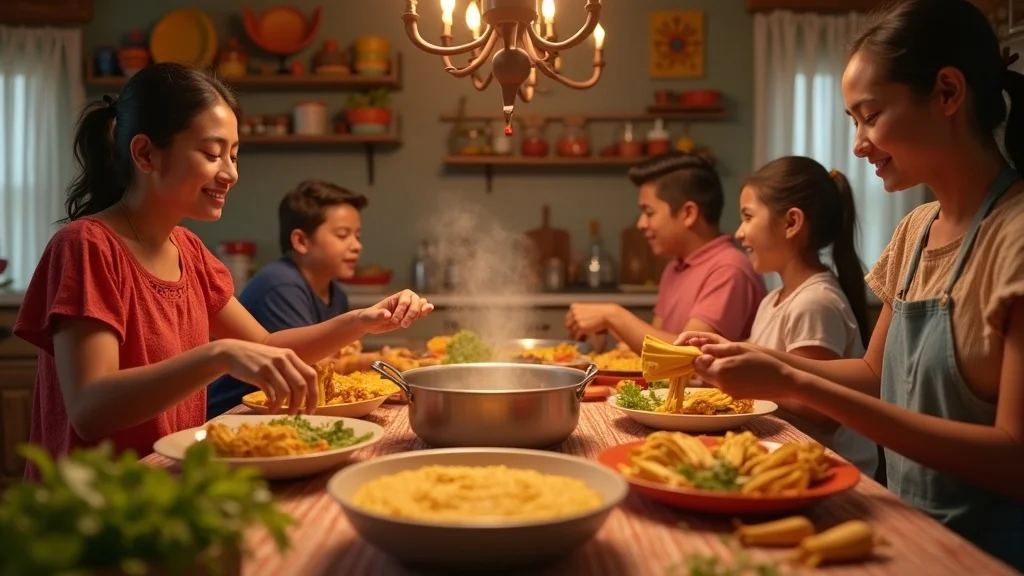
To open the altar, or ofrenda, is to open the heart—inviting memories and flavors to meet at the table. The foods prepared are not arbitrary; each has deep meaning and a story that links the living with the spirits. In Mexico and across the Mexican diaspora, children, parents, and grandparents gather around the kitchen, sharing tasks and stories as they grind spices, wrap tamales, and shape sweet breads.
Food is not only sustenance during Día de los Muertos—it’s an act of remembrance. Families create altar food offerings using the favorite meals of their ancestors, surrounding them with flowers, candles, and photos. This beautiful ritual highlights the importance of Mexican cultural traditions, where cuisine becomes both a comfort and a symbol of eternal connection.
The Meaning Behind De Los Muertos Food and Drink Ofrendas
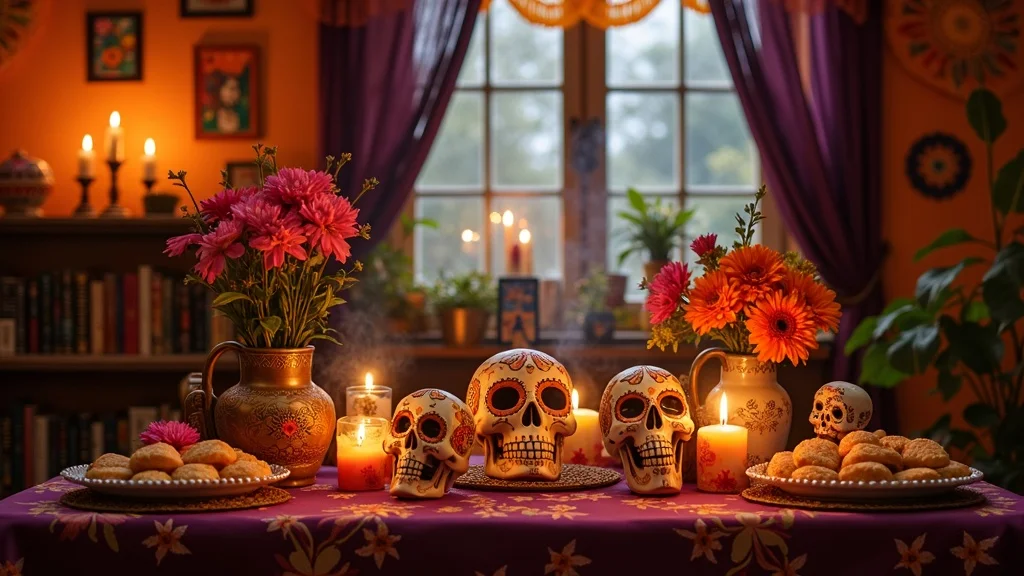
On the Día de los Muertos altar, every food and drink item carries symbolism. Pan de muerto represents the cycle of life and death, its round shape echoing eternity and bone-shaped decorations signifying mortality. Tamales embody abundance and togetherness, as dozens are wrapped by many helping hands. Calabaza en tacha provides sweetness to delight returning spirits. Mole negro offers complexity and warmth, while sugar skulls (calaveras de azúcar) honor the personality and individuality of ancestors. Traditional Mexican drinks like atole and hot chocolate bring a sense of hospitality and warmth—essentials as families remember loved ones through taste and ritual.
Why Pan de Muerto Is Essential for Día de los Muertos Food Traditions
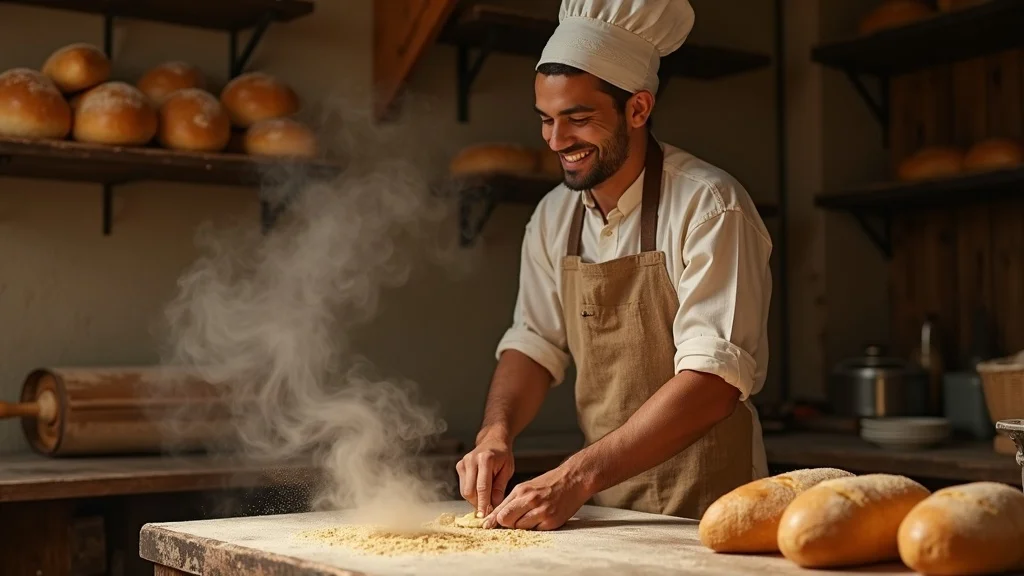
Of all the Día de los Muertos food traditions, pan de muerto holds a special place. This airy, lightly sweet bread is topped with sugar and decorated with “bone” shapes, symbolizing both the cycle of life and death and the souls of the departed. The circular design reflects eternity, while an orange blossom scent evokes the traditional day. Shared around the ofrenda with hot chocolate, pan de muerto transforms family tables into sacred spaces. Whether bought from a bakery or made at home, this bread unites generations—its every bite a loving act of remembrance and cultural pride, connecting communities from Mexico to Western New York.
Tamales: A Symbolic Staple of Dia de los Muertos
No Día de los Muertos food tradition is complete without steaming pots of tamales. Tamales are the classic comfort food, beloved for their versatility (savory with mole negro or sweet with raisins and cinnamon) and their communal preparation. Families gather to spread masa onto corn husks, a process filled with laughter and storytelling. On the altar, tamales symbolize abundance and the value of hospitality—offerings that remind ancestors of home. In places like Western New York, Mexican restaurants and families keep these tamal traditions alive, passing on the knowledge and flavors that mark this ritual day.
Calabaza en Tacha & Sweet Offerings for Día de los Muertos
Sweetness is fundamental to Día de los Muertos. Calabaza en tacha—candied pumpkin cooked slowly with raw sugar, cinnamon, and spices—is a favorite ofrenda treat. The pumpkin’s vibrant orange color and tender, caramelized flavor are symbols of harvest and abundance, meant to coax the spirits of the departed back for a warm, sweet welcome. Alongside calabaza en tacha, fruits like oranges and guavas, as well as festive sugar skulls, fill the altar with color and meaning, inviting a joyful remembrance of those passed.
Sugar Skulls and Hot Chocolate: Honoring Spirits with Traditional Mexican Flavors
Dia de los Muertos wouldn’t be the same without bright, whimsical sugar skulls (calaveras), each hand-decorated and sometimes inscribed with names to honor specific loved ones. They symbolize individuality and the joyful acceptance of mortality. As the night grows cool, a cup of Mexican hot chocolate (spiced with cinnamon and vanilla) is shared—a tradition rooted in hospitality. Together, sugar skulls and hot chocolate remind us that even as we honor the dead, Día de los Muertos is a celebration of life’s sweetness and togetherness.
Día de los Muertos Foods: Symbolism and Regional Roots
Food/Drink |
Symbolism |
Region of Origin |
|---|---|---|
Pan de Muerto |
Circle of life, remembrance |
Central/Southern México |
Tamales |
Abundance, togetherness |
Nationwide |
Calabaza en Tacha |
Sweetness for returning spirits |
Central Mexico |
Mole Negro |
Complexity of life, celebration |
Oaxaca |
Sugar Skulls |
Individuality, honoring the dead |
Nationwide |
Hot Chocolate |
Warmth, hospitality |
Nationwide |
The Preservation of Día de los Muertos Cuisine
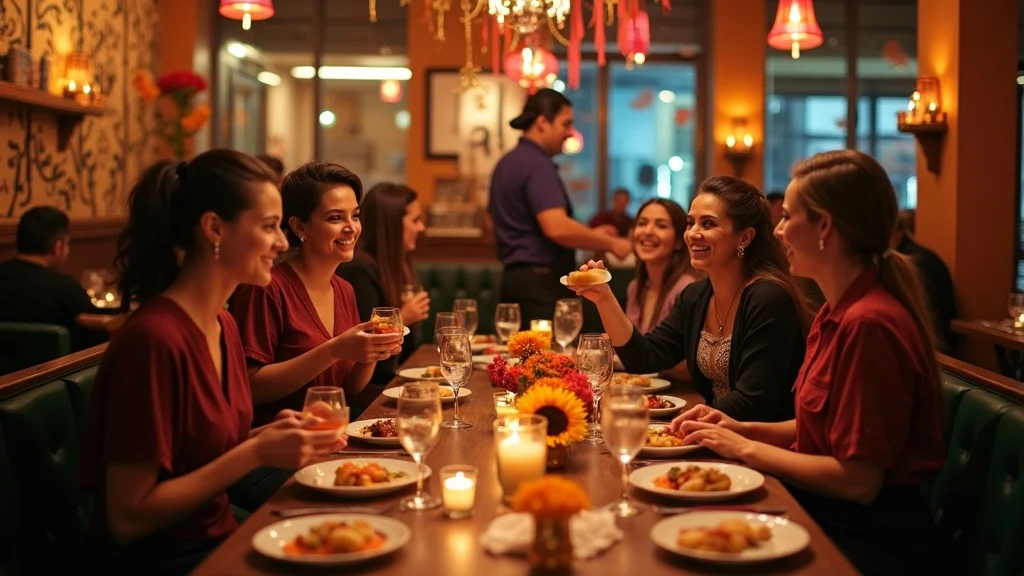
At the heart of the Mexican food scene, some establishments lead efforts to preserve the unique flavors and spirit of Día de los Muertos. Each autumn, special menus are created—featuring pan de muerto, mole negro, and steaming mugs of hot chocolate—that invite both longtime residents and newcomers to experience these deep-rooted traditions. Their approach goes beyond food: they offer workshops on altar-making, host storytelling nights, and nurture a year-round sense of comunidad (community), ensuring that Mexican culinary heritage lives on for generations.
Modern Día de los Muertos Food Traditions and Personal Stories
For many Latinx families in Western New York, making foods like tamales or calabaza en tacha sparks personal memories: an abuelita teaching her secret spice blend, a child’s first taste of sugar skull icing, or a group of friends gathering at a local restaurant to honor loved ones far away. While recipes may evolve—using local ingredients or modern techniques—the essence remains. Food is the language of connection, and the altar becomes a living scrapbook of heritage, belonging, and hope.
People Also Ask: Día de los Muertos Food Traditions
What is traditionally eaten on the Day of the Dead?
On Día de los Muertos, families prepare and enjoy pan de muerto, tamales, mole negro, calabaza en tacha, and traditional hot chocolate. These foods honor ancestors with authentic day of the dead flavors, connecting families to their loved ones through taste and ritual.
What are three foods or drinks people put on the altars on Día de los Muertos?
Common ofrendas on the altar include pan de muerto, sugar skulls, and Mexican hot chocolate. These offerings create an abundance of color, flavor, and meaning, inviting ancestors to share in the celebration and reminding everyone of life’s sweetness.
What is the traditional dessert for Día de los Muertos?
Pan de muerto—a fragrant, sweet bread decorated with bone-shaped dough—is the classic Día de los Muertos dessert, often served with hot chocolate. Calabaza en tacha (candied pumpkin) is another beloved treat, shining with rich flavors and history.
What is the most important meal of the day in Mexican culture?
In traditional Mexican culture, comida (lunch) is usually the largest and most important meal of the day. However, on Día de los Muertos, special dishes are enjoyed throughout the day—morning to night—to honor and remember loved ones, as food and family memory blend beautifully.
Lists: Iconic Día de los Muertos Food Traditions and Regional Variations
Pan de Muerto (Bread of the Dead)
Tamales (corn masa pockets with savory or sweet fillings)
Mole Negro (Oaxacan black mole sauce)
Calabaza en Tacha (candied pumpkin)
Sugar Skulls (Calaveras de Azúcar)
Mexican Hot Chocolate
Atole (corn-based beverage)
Traditional fruits like oranges and guavas
FAQs: Día de los Muertos Food Traditions Explained
What do the foods represent on the ofrenda? Each item on the altar—pan de muerto, tamales, fruits—represents remembrance, hospitality, and the personal tastes of the departed, creating an edible bridge between worlds.
Are all Día de los Muertos foods sweet? No—while desserts like pan de muerto and calabaza en tacha are popular, savory dishes such as mole negro and tamales are equally essential to honoring loved ones during Dia de los Muertos.
Can you find authentic Día de los Muertos food traditions in Western New York? Some local restaurants and bakeries offer pan de muerto, tamales, and more during this season. Others have special meals at home with family or offer community meals inspired by the day.
How can I make pan de muerto at home? Start with a simple sweet bread dough, infuse with orange zest, and shape into rounds with “bones” atop. Dust with sugar after baking and enjoy with family, honoring tradition wherever you are.
Key Takeaways of Día de los Muertos Food Traditions
Día de los Muertos food traditions connect family, memory, and heritage through shared flavors and rituals.
Ofrendas are symbolic—each item is chosen with intention and personal meaning.
The Western New York restaurant scene may offer accessible ways to experience and celebrate these cultural traditions locally.
Cooking and enjoying these foods is a way of honoring ancestors and keeping cultural identity alive for new generations.
Reflection: Día de los Muertos Food Traditions Foster Community and Remembrance
Día de los Muertos proves food is memory. Sharing these dishes in Western New York unites families, sparks dialogue, and weaves new stories—from abuela’s kitchen in Puebla to the heart of Buffalo.
Across Mexico and Latin America, Día de los Muertos celebrations bring people together to enjoy traditional Mexican food that reflects love, memory, and joy. Families share Day of the Dead dishes such as pan de muerto, tamales, and mole — all part of beloved Mexican holiday foods prepared for the occasion. The altars feature candles, marigolds, and altar food offerings, reminding everyone of the power of connection through flavor. These customs highlight the richness of Mexican cultural traditions, where food becomes an expression of remembrance and togetherness. Every gathering is a tribute to Mexican festive cuisine, celebrating both the past and the present in one heartfelt moment.
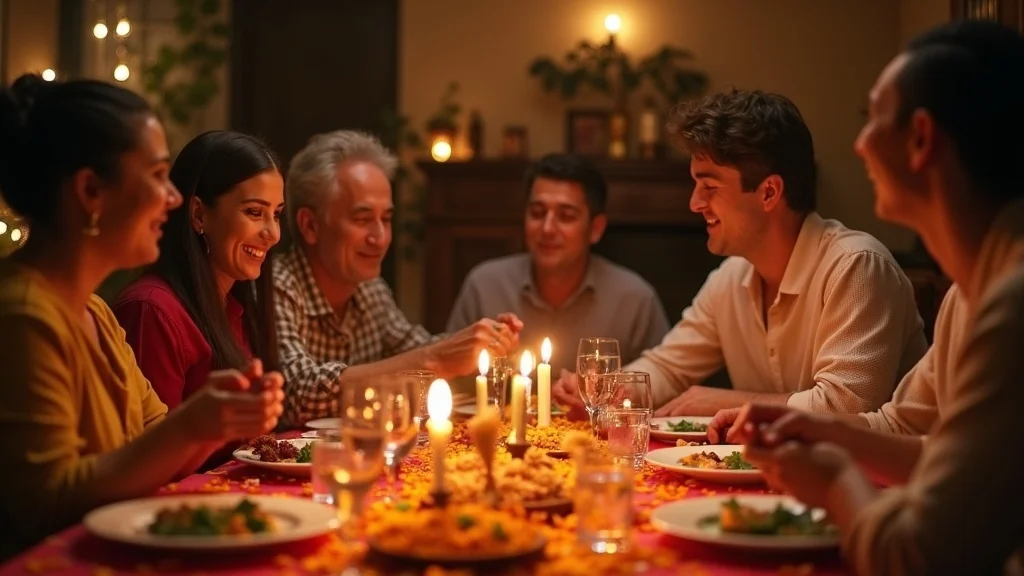
Ready to Taste Tradition? Celebrate culture through flavor. 🌼 Visit https://latinamericandining.com/ to discover more stories, recipes, and restaurants across Western New York.
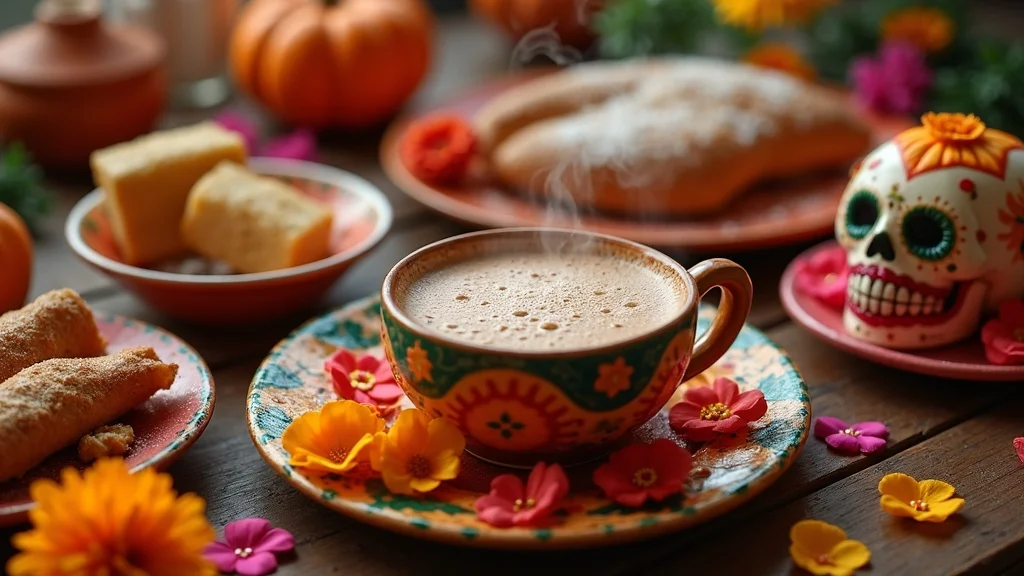
¡Buen provecho y feliz Día de los Muertos! Whether you are honoring ancestors or savoring the vibrant flavors, culture and community live on—one bite at a time.
If you’re inspired by the way food brings people together during Día de los Muertos, you’ll love exploring the broader tapestry of Latin American culture and celebrations. From culinary festivals to community gatherings, there’s a world of traditions waiting to be discovered throughout the year. For a deeper dive into upcoming events, cultural insights, and ways to connect with Latin American heritage in your area, visit the Culture & Events section. Let your curiosity lead you to new flavors, stories, and experiences that celebrate the richness of Latin American dining and community.
To expand your understanding of the rich customs described above, visit Discover Día de los Muertos Traditions and Food Secrets, which delves deeper into the meanings, recipes, and rituals that define this beloved holiday. For those in Western New York seeking an authentic experience, Discover the Best Mexican Bar and Restaurant in Downtown Buffalo, NY Tonight highlights local spots where you can celebrate and savor traditional dishes firsthand. If you’re serious about immersing yourself in Día de los Muertos food traditions and discovering vibrant local celebrations, these resources will give you both depth of knowledge and actionable ways to participate.








Write A Comment