

Did you know that over 60% of Latin American families say home-cooked comfort foods are the single most important part of winter gatherings? There’s a reason these latin american comfort foods go beyond delicious flavors—they create warmth, stories, and memories that stretch across generations. As the chill settles in, these dishes transform every table into a center of laughter, love, and togetherness.
The Power of Comfort: Why Latin American Comfort Foods Matter Most in Winter
"In the heart of winter, Latin American comfort foods do more than stave off the cold—they knit families and generations together around the table."
Unusual fact: More than 60% of Latin American families cite home-cooked comfort foods as the most important element in family gatherings during winter months.
When winter blankets homes from Argentina’s chilly Pampas to the highlands of Peru, kitchens come alive with the scents, sizzle, and steam of authentic latin american comfort foods. These aren’t just meals—they’re rituals of unity and heartwarming tradition. A pot of savory sancocho or a pile of crispy fried plantains can spark laughter, encourage conversation, and recall cherished family stories. It’s no wonder comfort foods are so vital during the colder months; they nourish the body and soul. Families from Puerto Rico to Chile lean on these dishes to celebrate heritage and keep spirits bright all winter long.

What You'll Learn About Latin American Comfort Foods
The origins and cultural stories behind iconic Latin American comfort foods
How each dish brings warmth and unity to families
Regional diversity in Latin American cuisine and comfort food traditions
Recipes and simple tips to bring these flavors into your own home
Table of Show-Stopping Latin American Comfort Foods
Dish Name |
Country of Origin |
Main Ingredients |
Unique Comfort Ingredient |
Best Served With |
Winter Family Gathering Rating |
|---|---|---|---|---|---|
Sancocho |
Colombia, Dominican Republic, Puerto Rico |
Chicken, beef, plantains, root vegetables |
Corn on the cob |
Rice, avocado, fresh lime |
⭐⭐⭐⭐⭐ |
Feijoada |
Brazil |
Black beans, pork, sausage |
Dried beef or orange slices |
Rice, farofa, orange, fried plantain |
⭐⭐⭐⭐ |
Chicken Soup Variations |
Peru, Colombia, Ecuador |
Chicken, potatoes, corn, herbs |
Native Andean potatoes |
White rice, spicy sauce |
⭐⭐⭐⭐⭐ |
Tamales |
Mexico, Guatemala, Peru, Venezuela |
Masa, pork/chicken, corn husks |
Special family spice blends |
Hot chocolate, atole |
⭐⭐⭐⭐⭐ |
Pão de Queijo |
Brazil |
Cassava flour, cheese, eggs |
Freshly shredded cheese |
Strong coffee |
⭐⭐⭐⭐ |
Refried Beans |
Mexico |
Pinto or black beans, onion, lard |
Homemade lard |
Rice, tortillas, plantain |
⭐⭐⭐⭐ |
Fried Plantains |
Cuba, Puerto Rico, Dominican Republic, Venezuela |
Ripe or green plantains |
Twice-fried (tostones) |
Rice, beans, meats |
⭐⭐⭐⭐ |
Pozole |
Mexico |
Hominy corn, pork/chicken, chili broth |
Fresh lime & radishes |
Tostadas, lettuce |
⭐⭐⭐⭐⭐ |
Locro |
Argentina, Peru, Ecuador |
Squash, corn, potatoes, meat |
Pumpkin |
Bread, hot sauce |
⭐⭐⭐⭐ |
Arepas |
Venezuela, Colombia |
Cornmeal, cheese, meats |
Cheese-filled center |
Eggs, beans, avocado |
⭐⭐⭐⭐ |
For those who love exploring the comforting side of Latin American cuisine, you might also enjoy discovering tortitas de papa, a classic Mexican potato cake that brings its own warmth and nostalgia to family tables, especially during the colder months.
1. Sancocho: The Hearty Stew That Defines Latin American Comfort Foods
Rooted in Tradition: Sancocho’s Role in Family Gatherings
"Sancocho isn’t just soup—it’s a celebration in a pot." – Chef Maria Vasquez
Key Ingredients: Chicken, beef, plantains, corn, root vegetables
Countries: Colombia, Dominican Republic, Puerto Rico
Sancocho is often described as the ultimate hearty stew, and for many families across Latin America, it means much more than just feeding hungry bellies. The process—starting with lovingly chosen cuts of chicken or beef and adding layers of root vegetables, corn on the cob, plantains, and aromatic herbs—brings the household together from prep to plate. In Colombia, the aroma of simmering sancocho signals a time for reunion, while Dominican and Puerto Rican kitchens fill with laughter as everyone shares in the chopping and tasting. It’s as much about tending to tradition as it is about keeping warm.
Beyond ingredients, each family may have their “secret touch”—perhaps a splash of lime, a sprinkle of cilantro, or a special kind of potato. In some regions, sancocho is even reserved for Sundays or major holidays as the centerpiece of a long, joyful meal. Regardless of exact recipe, this latin american comfort food delivers the true heart of winter comfort: togetherness.
Picture a family gathered in a bustling kitchen, taking turns stirring a bubbling pot of sancocho, layers of steam fogging the windows, laughter cutting through the cold. This is winter comfort in Latin America at its best.
2. Feijoada: Brazil’s Black Bean Comfort Feast
Main Ingredients: Black beans, pork, sausage
Accompanied by: Rice, farofa, orange slices, fried plantain
Feijoada is Brazil’s answer to cold weather—a deeply flavorful black bean and pork stew that’s rich, nourishing, and perfect for sharing. With its roots in the Portuguese colonial era, feijoada was adapted using local Brazilian ingredients, making it a prime example of latin american comfort food. Traditionally slow-cooked to coax every bit of flavor from smoked meats, sausage, and tender beans, it’s often enhanced by beef or even bacon for added depth.
Brazilians love to serve feijoada with a spread of sides: fluffy white rice, garlicky farofa (toasted cassava flour), juicy slices of orange that cut through the richness, and fried plantains for a sweet-and-savory balance. Winter Sundays are often dedicated to feijoada feasts where friends linger, stories unfold, and every bite warms you from the inside out—a signature trait of latin american comfort foods.
3. Chicken Soup Variations: The Multifaceted Soul of Latin American Comfort Foods
Caldo de Gallina, Ajiaco, and Beyond: Latin America’s Chicken Soup
Common Comfort Ingredients: Chicken, potatoes, corn, herbs
Why chicken soup remains a favorite in Latin American comfort foods
Chicken soup is universal, but Latin American variations take it to another level of comfort and creativity. Whether it’s caldo de gallina simmered with whole pieces of chicken and golden potatoes in Peru, or the richly layered ajiaco of Colombia (featuring native potatoes, corn on the cob, and a fragrant bundle of herbs), each version is loved for its restorative powers and adaptability.
Why does this dish hold such a central place in latin american comfort food traditions? It’s adaptable to every household’s tastes: from chunks of corn and pieces of squash in Ecuador, to spicy jalapeños or sweet carrots in Mexico. Whether you’re mending a cold or just seeking winter warmth, Latin America’s chicken soup is a bowl of reassurance, bringing people together and reminding them of home. Sipping steaming soup, surrounded by family, is the perfect way to combat long evenings and chill winds.
4. Tamales: Wrapped Warmth from Every Corner of Latin American Cuisine
Tamale-Making: A Generational Bond
Used Ingredients: Masa, pork/chicken, corn husks, spices
Regional Variations: Mexico, Central America, Peru, Venezuela
The quintessential winter gathering activity in many Latin American countries is the art of making tamales. Steaming tamales means more than a delicious meal—it’s a collaborative ritual where grandmothers, parents, and kids all have a hand. Soft masa dough gets filled with seasoned meats or spiced vegetables, wrapped in corn husks or banana leaves, and steamed to perfection. Each region boasts its specialty: spicy chile tamales in Mexico, banana leaf-wrapped versions in Guatemala, or sweet tamales with raisins and cinnamon in Peru.
This hands-on tradition isn’t just about food—it’s about connection. The hours spent assembling tamales are rich with storytelling, laughter, and the kind of lessons that never get written down but always get remembered. Tamale season means holidays, reunions, sharing, and celebrating identity. For many, nothing says latin american comfort foods quite like unwrapping a piping-hot tamale on a cold winter night.

5. Pão de Queijo: Brazil’s Iconic Cheesy Bread as Latin American Comfort Food
De Queijo Delights on Chilly Mornings
Core Ingredients: Cassava flour, cheese, eggs
Typical Pairing: Strong coffee, winter breakfasts
Pão de queijo, Brazil’s beloved cheese rolls, are tiny bites of comfort that pack big flavor. Made from cassava flour (also known as tapioca), eggs, and plenty of freshly grated cheese, these rolls are naturally gluten-free and have a unique chewy texture. They’re baked until golden and crispy on the outside, pillowy and cheesy on the inside—a comfort food staple at breakfast, but also perfect for a late-afternoon snack with friends and family.
Whether bought from a bakery or made in your own kitchen, pão de queijo pairs perfectly with strong, dark coffee on a brisk morning. Kids love to pop them warm into their mouths, and adults can’t resist their cheesy aroma and nostalgic pull. It’s no wonder these bites are a classic in latin american comfort foods; every steaming batch brings a taste of home, warmth, and the best of Brazilian hospitality.
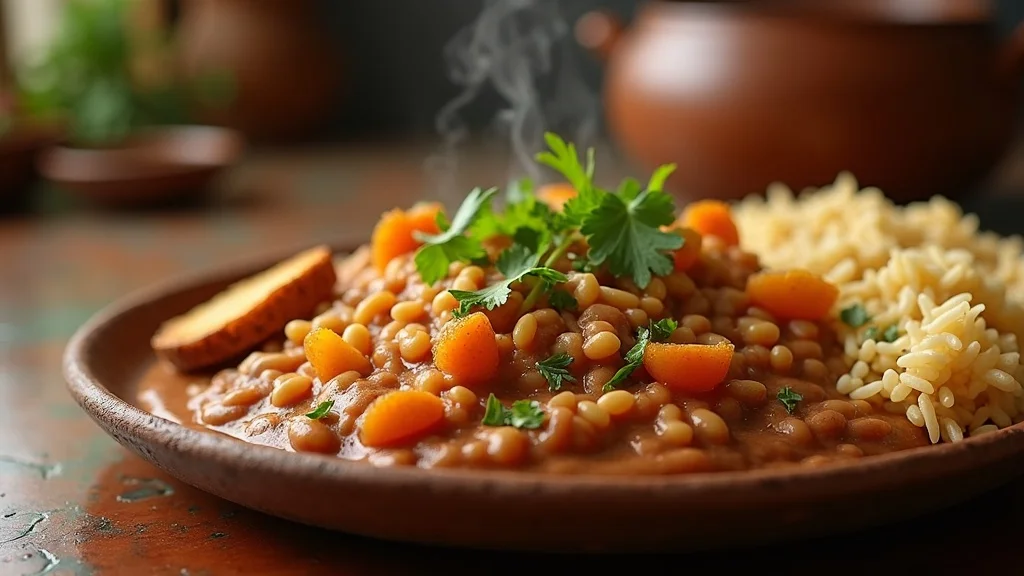
6. Refried Beans: Everyday Nourishment in Latin American Comfort Foods
Homemade Refried Beans: Simple Yet Essential
Mexico’s staple: Pinto or black beans, onions, lard/oil
Served alongside: Rice, tortillas, fried plantain
In many Mexican households, homemade refried beans are both a comfort and a necessity. Simmered with onions and sometimes flavored with lard (or oil), these beans are mashed and fried, creating a hearty, creamy staple that lends earthy warmth to any meal. Refried beans are most often eaten with rice or wrapped inside hot tortillas, and are a constant presence at breakfasts, lunches, and dinners throughout the colder seasons.
The beauty of refried beans lies in their versatility— they can be spiced up, spread on toast, combined with cheese for an instant meal, or paired with fried plantain for a sweet-and-savory twist. For so many families, refried beans are the taste of coming home on a cold night, of quiet mornings before sunrise, or of time spent together preparing nourishing food. They epitomize the unpretentious, essential heart of latin american comfort foods.
7. Fried Plantains: Sweet and Savory Slices of Latin American Comfort
Why Fried Plantain and Fried Plantains Endure as Favorites
Maduro vs. tostones: Sweet or salty with every dish
Country Favorites: Cuba, Puerto Rico, Dominican Republic, Venezuela
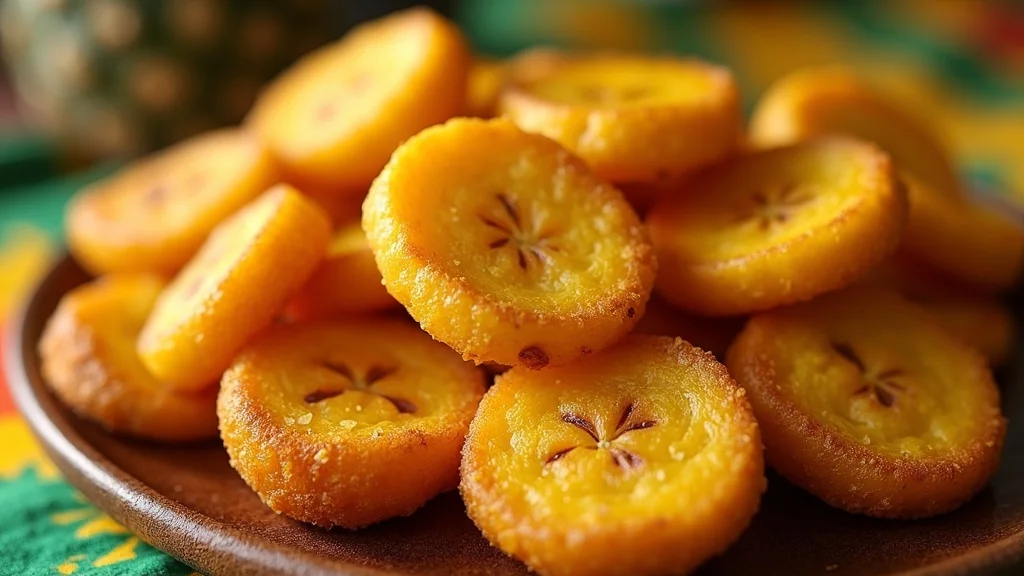
Fried plantains are a love letter to the diversity and adaptability of latin american comfort food. Some enjoy maduros (ripe, sweet, golden plantains) while others crave tostones (twice-fried, crisp green plantain slices, salted for savory goodness). Each version is crispy outside, tender inside, and irreplaceably satisfying on a winter’s day.
Countries from Cuba to Venezuela feature both varieties alongside rice and beans, grilled meats, or eggs. Fried plantain’s enduring popularity stems from how it brings a little sweetness or saltiness to every bite, making even the simplest meals feel festive. The aroma alone can invoke instant nostalgia, reminding many of family gatherings or celebrated holidays. For anyone craving the comfort of latin america, fried plantains are a must-try, embodying joy, abundance, and the spirit of togetherness at every table.
Imagine the satisfying sizzle of plantain slices in a skillet, the golden color deepening as the aroma fills an entire kitchen with anticipation. Making perfect fried plantains is simple, but the rewards are immense—a taste of latin american comfort foods that always brings a smile.
8. Pozole: Festive Mexican Soup as Latin American Comfort Food
Pozole at the Center of Holiday Comfort Foods
Key Components: Hominy corn, pork/chicken, chili broth
Red, green, and white versions: Cultural significance
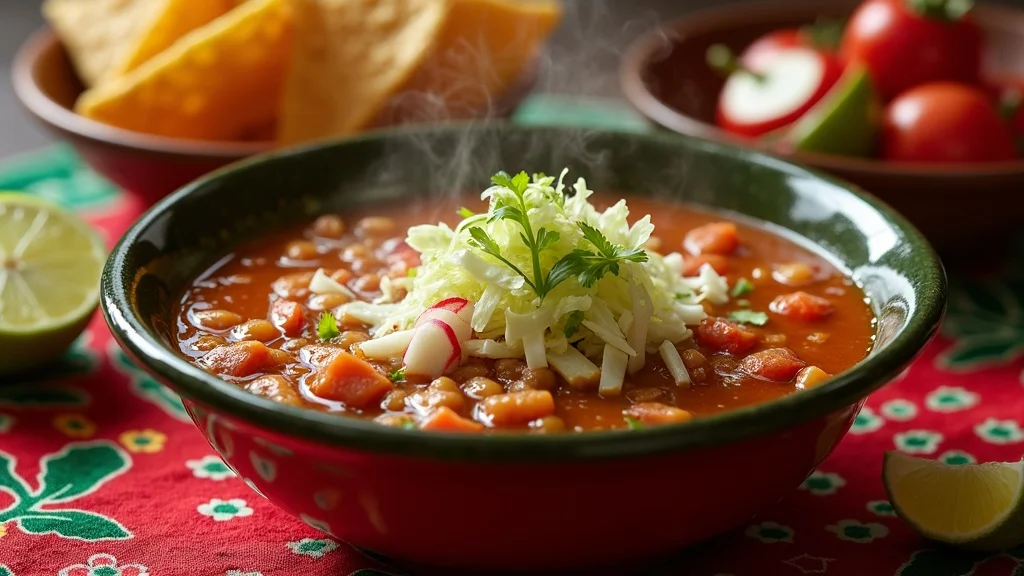
No winter holiday is complete in many Mexican homes without a steaming bowl of pozole. Its base—hominy corn simmered with tender pork or chicken in a savory chili broth—makes for an instantly recognizable comfort, but what makes pozole truly special is its color and cultural significance. Red, green, or white (in keeping with the colors of the Mexican flag), pozole is often served for celebrations, feast days, and family reunions.
Each bowl is garnished with lettuce, radish, onion, oregano, and a squeeze of fresh lime. Tostadas or soft tortillas are served alongside for crunch or mop-up. The communal aspect of dishing out and topping pozole cements its role as a star in latin american comfort foods—every family adds its twist, but all agree that it brings warmth, abundance, and togetherness when it matters most.
9. Locro: Andean Stewed Wonder in Latin American Comfort Foods
Argentina, Peru, Ecuador: Flagbearers of Locro
Hearty mix: Squash, corn, meat, potatoes
"Locro is the blanket we share when winter’s chill sets in." – Family matriarch, Cusco
Locro is a robust Andean stew, slow-cooked with squash, corn, meat, and potatoes. Argentina, Peru, and Ecuador all claim locro as their own, each with treasured family stories about a grandmother’s secret ingredient or a father’s favorite spicy topping. Its thickeness and deep flavors are perfect for bracing against mountain cold or rainy nights in the city.
Served in deep bowls, locro is rich enough to be a meal by itself, and often enjoyed with crusty bread or a spicy salsa criolla. As with all great latin american comfort foods, locro is about ritual and memory—gathering, stirring, savoring, and sharing in the ancient flavors of the Andes.
10. Arepas: Pan-Latin Staple Bread in Latin American Cuisine
Venezuela vs. Colombia: Arepa Comfort Foods Debates
Base: Cornmeal dough; Fillings: cheese, meats, eggs
Breakfast, lunch, or dinner; the all-day comfort food
Whether you prefer your arepas thick and doughy like in Venezuela, or thinly stuffed and crispy as in Colombia, there’s no denying this humble cornmeal bread is a true backbone of latin american comfort foods. Versatile and affordable, arepas can be filled and topped to reflect any mood or meal—cheese and scrambled eggs in the morning, pulled beef or black beans at dinner, or even avocado and goat cheese for a trendy twist.
Arepas are also a subject of friendly rivalry, with each country (and household) declaring their style “the best.” The secret to their comfort? They’re quick to make, easy to personalize, and perfect to share—allowing creativity and family stories to rise on every winter table.
Honorable Mentions: Other Beloved Latin American Comfort Foods
Pastel de Choclo (Chile)
Empanadas (Argentina, Chile, Ecuador)
Aguadito (Peru)
Cazuela (Chile)
Mofongo (Puerto Rico)
Cultural Traditions: How Latin American Comfort Foods Bring Families Together
"My grandmother’s kitchen was the warmest place every winter—thanks to her pot of sopaipillas frying, we were never cold."
Fêtes and feast days: When comfort foods are at the heart of Latin America
Cooking as storytelling and memory-sharing
Dinner table rituals: Passing down roots through recipes
Across latin america, comfort foods are a central part of holiday festivities and nightly dinners alike. Cooking for family isn’t just about the meal, but a chance to share stories, pass on treasured recipes, and connect new generations to the heart of their heritage. Whether kneading tamale masa, simmering feijoada, or flipping arepas, these kitchen rituals ensure that latin american comfort foods remain deeply interwoven with the rhythms of daily life and the memories shared by every family member.
FAQs About Latin American Comfort Foods
What defines a Latin American comfort food?
Comfort foods in Latin America are dishes centered around warmth, hearty ingredients, and shared family rituals. These recipes often stem from tradition, regional ingredients, and the desire to bring communities together for healing or celebration, especially during the colder months.Which ingredients are most common in Latin American winter dishes?
Staples include beans, rice, root vegetables, corn, plantains, meat (often pork or chicken), and bold spices. Regional flavors differ, but the emphasis is always on ingredients that provide warmth, sustenance, and satisfaction.How do Latin American comfort foods differ by region?
While the core values of comfort—togetherness, simplicity, flavor—are universal, every country and community has distinctive specialties, ingredients, and preparation methods. For instance, tamales are ubiquitous but vary in style, masa, and fillings across regions. Similarly, stews like sancocho, locro, or feijoada reflect local traditions and available produce.Are there vegetarian options among traditional Latin American comfort foods?
Absolutely! Many dishes, especially stews and side dishes, can be made vegetarian. Examples include bean-based meals, potato soups, cheese arepas, and vegetable tamales. With minor variations, comfort food can accommodate any dietary preference.What drinks are typically served with comfort foods in Latin America?
Depending on the meal, families might serve hot chocolate, atole (a spiced corn drink), café con leche, or fruit juices. Winter meals often feature spicy mulled wine (in the Andes), or rich hot chocolate paired with festive breads or pastries.
Key Takeaways: The Warmth and Togetherness of Latin American Comfort Foods
Latin American comfort foods are deeply rooted in family, culture, and seasonal traditions
Each dish tells a story that connects generations during wintertime
There’s a comfort food recipe within Latin American cuisine for every taste and occasion
Wrap Up: Discover and Enjoy Latin American Comfort Foods Today
Ready to warm your winter table with dishes from Latin American comfort food traditions?
Embrace new flavors, try a classic recipe, and celebrate family togetherness.
If you’re inspired to dive even deeper into the world of Latin American cuisine, consider exploring the sweet side of tradition with the cultural significance and irresistible recipe of tres leches cake. This beloved dessert is more than just a treat—it’s a celebration of heritage and togetherness, perfect for rounding out any comfort food feast. Discover how desserts can play a role in family gatherings and learn new ways to bring joy to your table, one delicious bite at a time. Let your culinary journey continue with flavors that connect generations and create lasting memories.








Write A Comment