
Add Row
Add Element
Latin American Dining - Celebrating Food, Culture, and Community
update
Sharing the Latin Flavors of Western New York and beyond.
update
Add Element
  • Home
  • Categories
    • Restaurant Profiles
    • Mexican
    • Puerto Rican
    • Dominican
    • Colombian
    • Peruvian
    • Venezuelan
    • Cuban
    • Argentinian
    • Culture & Events
    • Entertainment
June 16.2025
3 Minutes Read

Unlock the Secrets of Cau Cau: A Taste of Authentic Peruvian Cuisine

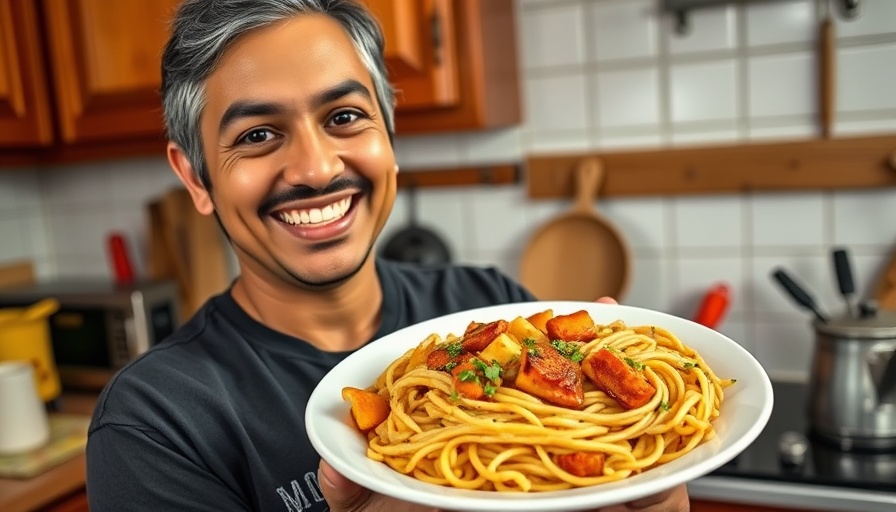
Person showcasing authentic Peruvian Cau Cau dish in kitchen.

Unveiling the Deliciousness of Cau Cau

Peruvian cuisine is celebrated for its vibrant flavors and rich traditions, and one dish that encapsulates this culinary diversity is Cau Cau. Often made with tripe and potatoes, this delightful stew is a staple in many households across Peru. If you're a restaurant owner looking to elevate your menu, incorporating authentic Peruvian recipes like Cau Cau could truly distinguish your offerings.

A Taste of Tradition: What Makes Cau Cau Special?

Cau Cau is not just any dish; it tells a story of ancestral roots and culinary heritage. Often characterized by its bright yellow color from the addition of fresh turmeric, or palillo, this dish stands out in both taste and appearance. The traditional preparation involves a complex layering of flavors with ingredients like onions, garlic, aji amarillo, and mint, resulting in a comforting stew that's perfect for any occasion.

The Ingredients: A Symphony of Flavors

The magic of Cau Cau lies in its ingredients. It begins with well-prepared tripe—cleaned and simmered to tender perfection. The combination of aromatics such as onions and garlic along with the giving warmth of aji amarillo creates a savory base that enhances the dish. Don't forget the importance of garnishing with fresh herbs like mint! They not only add a pop of color but also enhance the overall taste profile.

Perfecting Your Cau Cau Recipe in the Restaurant

For restaurant owners, consistency in flavor and presentation is key. Here are some practical insights:

  1. Quality Ingredients: Always source fresh and authentic ingredients. The quality of your aji amarillo and fresh mint can drastically affect the final dish.
  2. Cooking Technique: Don’t rush the cooking process. Allowing the tripe to simmer gently not only tenderizes the meat but also intertwines the flavors beautifully.
  3. Perfect Pairings: Many customers enjoy Cau Cau paired with fluffy white rice, which absorbs the flavorful broth, making it a perfect complement to your dish.

Value of Offering Traditional Peruvian Dishes

Incorporating traditional Peruvian dishes like Cau Cau into your restaurant menu offers significant benefits. This not only appeals to the growing demand for authentic Peruvian cuisine but also enriches the culinary landscape of your establishment. Diners are more inclined to visit a restaurant that offers dishes representing the true essence of a culture, which fosters deeper connections and promotes cultural appreciation.

Moreover, expanding your menu with a variety of Peruvian delicacies—from ceviche peruano to lomo saltado—will attract a broader audience and keep your regular patrons excited. Traditional Peruvian dishes resonate with both nostalgia and adventure, making dining at your establishment a sought-after experience.

Time to Get Cooking!

If you’re eager to enhance your culinary repertoire, begin experimenting with Cau Cau in your kitchen. Authentic recipes and traditional preparations will not only reflect your passion for Peruvian cuisine but also contribute independently to your restaurant's unique identity.

Cau Cau represents the heart of Peruvian cooking, blending comfort with vibrant flavors. As you explore this dish, consider how it can elevate your menu, enticing patrons with the allure of Peruvian home cooking.

So, gather your ingredients, roll up your sleeves, and let the flavors of Peru inspire your culinary journey!

Peruvian

19 Views

0 Comments

Write A Comment

*
*
Related Posts All Posts
12.02.2025

Transforming Thanksgiving Leftovers into Delicious Arroz Chaufa de Pavo

Update The Joy of Repurposing Thanksgiving Leftovers As the holiday season rolls around, many of us are faced with the delightful dilemma of what to do with the leftovers from our festive feasts. In the spirit of minimizing waste and maximizing flavor, why not transform your Thanksgiving turkey into a delicious arroz chaufa de pavo? This Peruvian post-Thanksgiving dish is not just about reviving leftovers; it’s about celebrating the flavors of home and sharing good food with friends and family.In CHAUFA DE PAVO | CON LO QUE SOBRE DE THANKSGIVING, the discussion dives into the delightful combination of Thanksgiving leftovers and Peruvian culinary tradition, exploring key insights that sparked deeper analysis on our end. Why Arroz Chaufa is a Perfect Choice Arroz chaufa, the beloved Peruvian fried rice, is the ideal dish for utilizing leftover turkey. Its mix of rice, proteins, and vegetables offers a hearty meal while allowing you to maintain a connection to the festive spirit of Thanksgiving. The traditional elements—like juicy turkey, scrambled eggs, and a hint of soy sauce—combine together to create an explosion of flavor that pays tribute to both Peruvian and Thanksgiving culinary traditions. Stirring Up Nostalgia Through Food Every bite of arroz chaufa can evoke memories of shared meals, laughter, and warming aromas filling the kitchen. This nostalgic charm makes it perfect for any holiday. Think of it as a bridge between cultures where Peruvian cuisine and American Thanksgiving meet. As restaurant owners, this could be your chance to capitalize on this cultural fusion by featuring special menus that cater to both your loyal patrons and curious newcomers looking for authentic Peruvian recipes. Promoting Sustainable Eating: A Community Approach In a world increasingly conscious about food waste, promoting dishes that use leftovers can resonate profoundly with your customers. By highlighting how a small change in food planning can yield delicious outcomes, Peruvian restaurant owners can engage patrons into adopting similar practices at home. Consider organizing "leftover nights" at your establishment, where diners can partake in creative dishes made from surplus ingredients, sparking conversations about sustainability in cuisine. Introducing Other Traditional Peruvian Dishes While arroz chaufa de pavo is a fantastic way to celebrate Thanksgiving leftovers, it also opens the door to promoting other traditional dishes in your restaurant. Why not introduce your customers to classic meals like aji de gallina or lomo saltado? Pairing these with seasonal memorabilia can enhance the dining experience and create a deeper appreciation for Peruvian street food. Simple Steps to Elevate Your Culinary Offerings From ceviche peruano to anticuchos, your menu can reflect a richness that not only showcases Peruvian culture but also encourages diners to explore different aspects of it. Cooking classes or workshops can ignite interest, allowing your clientele to engage with Peruvian cuisine and take home the knowledge to recreate these dishes in their kitchens. Imagine the buzz—your restaurant as a community hub for culinary exploration! Conclusion: Joining the Feast of Flavors As we embrace the joyous blend of cultures through dishes like arroz chaufa, restaurant owners have a unique opportunity to draw customers in, celebrate flavors, and reduce food waste—all while fostering community spirit. Turn those Thanksgiving leftovers into something unforgettable on your menu, and watch as patrons appreciate the beauty of resourcefulness and tradition.

11.25.2025

Surprise Your Guests with Authentic Peruvian Cuisine: The Chuleta Recipe

Update Discover the Joy of Traditional Peruvian Cuisine As we approach Thanksgiving and the festive holiday season, let’s take a trip into the rich world of Peruvian cuisine. This vibrant culinary tradition is not just about celebrating unique flavors; it’s about connecting with friends and family through the joy of cooking. In this spirit, I’m thrilled to share a delightful recipe for chuleta entera asada, a masterpiece that will impress your guests and elevate any holiday feast!In CHULETON NAVIDENO, the discussion dives into preparing an entire pork chop, exploring key insights that sparked deeper analysis on our end. Preparing for a Feast: Ingredients We Need The magic of this dish starts with an array of spices and flavors that reflect Peru's culinary heritage. The main ingredient is, of course, the pork chop or chuleta, but its success lies in the marinade. We’ll need ingredients like garlic powder, ground pepper, oregano, bay leaves, cumin, salt, mustard, paprika, and the star: ají panca. For a hint of acidity, fresh cranberries and apple cider vinegar are essential. Marinating the pork chop for a solid 12 hours not only enhances the flavor but also ensures that the meat retains its juiciness. Remember, the preparation is equally important; mix these ingredients into a paste that clings beautifully to the meat, ensuring every bite is packed with flavor. Creating Accompaniments: The Perfect Side Dishes No Peruvian meal is complete without vibrant, refreshing sides. As the pork roast works its magic in the oven, let’s prepare two colorful salads: a potato and beet salad and a pasta salad with vegetables. These dishes not only bring an array of textures but also provide a refreshing counterbalance to the richness of the pork. Incorporating seasonal ingredients, such as the lemons harvested from the kitchen garden, adds a personal touch that connects the meal to family traditions. Whether it's a dash of pepper in the potato salad or adding a creamy touch with mayonnaise, every element serves to create delightful explosions of flavor. Bringing Out the Best: A Crispy, Golden Finish The moment you take your roast out of the oven is magical. With the skin beautifully browned and crisp, your chuleta is ready to be sliced and served. To make it even more appetizing, drizzle a homemade sauce made from the cooking juices and extra cranberry jam over the top. This not only enhances the visual appeal but also enriches every bite with a sweet and tangy flourish! Once plated, garnishing with aromatic herbs like rosemary elevates the presentation and adds a fragrant finish. It’s a sight to behold and taste—a true feast fit for any special occasion. Why This Recipe Matters to Restaurant Owners For Peruvian restaurant owners, incorporating dishes like chuleta entera can set your menu apart and enrich the dining experience with a taste of home. Highlighting these authentic Peruvian recipes can foster community ties and attract diners seeking comfort food. The beauty of sharing such culinary gems not only boosts your restaurant’s profile but also keeps traditional flavors alive. Your Invitation to Explore More This holiday season, let’s embrace the art of cooking together! By sharing recipes, like lomo saltado or aji de gallina, you give patrons a reason to celebrate with you. Let’s keep the excitement of traditional Peruvian dishes alive and thriving. Explore beyond just one dish; dive into Peruvian street food, delicious desserts, and refreshing drinks that can transform a mundane meal into a feast of flavors. Ultimately, cooking should be a celebration! So, grab your apron, invite your friends over, and let the delightful aromas of Peruvian cuisine fill your home during the holidays. Don’t forget to share your experience and let’s spread the joy of cooking together!

11.18.2025

Master the Art of Arroz Con Pescado: A Guide for Peruvian Restaurants

Update Discover the Delightful Fusion of Flavors in Arroz Con PescadoIn the bustling culinary scene of Peru, seafood holds a special place, and few dishes capture the heart of Peruvian cuisine quite like arroz con pescado. This dish, showcasing the fresh flavors of the Pacific and the richness of traditional Peruvian ingredients, is a staple that restaurant owners can’t afford to overlook.In ARROZ CON PESCADO, the discussion dives into a culinary staple, exploring key insights that sparked deeper analysis on our end. The Ingredients That Make MagicAt the heart of any great authentic Peruvian recipe is the ingredients. Arroz con pescado typically incorporates a robust medley of flavors, utilizing staples such as rice, fresh fish (preferably caught the same day), aji amarillo (yellow chili), and an array of vegetables. Combining these ingredients not only elevates the dish but also ensures a comforting experience that speaks to the soul of Peruvian cuisine.Techniques That Bring the Dish to LifeFor restaurant owners looking to perfect their version of arroz con pescado, mastering the cooking technique is vital. The process usually begins by making a flavorful broth with the fish carcass and then sautéing onions, garlic, and spices before adding the rice. The harmonious cooking of the rice and fish creates an aromatic and inviting dish that is destined to be a crowd-pleaser. Consider this as a parallel to preparing a traditional aji de gallina or lomo saltado, where technique can truly make or break the final product.Enhancing the Dish: A Cultural StandpointFood in Peru isn't just about taste; it is a communal experience. Arroz con pescado is often accompanied by a refreshing salsa criolla, providing that necessary bite to contrast with the rich flavors of the rice and fish. Incorporating such sides not only enhances the dish's authenticity but encourages sharing, making it more than just a meal; it becomes an event. This sense of community around food is a cherished facet of Peruvian street food culture.Engaging in Cultural TraditionsIncorporating cultural traditions into dishes, such as utilizing fresh ingredients from local markets, adds depth and authenticity to the dish. This approach resonates well with customers seeking a genuine dining experience reflective of Peru’s culinary heritage. Consider how dishes like pachamanca draw directly from indigenous practices—these stories not only enhance the dish's appeal but also entice diners looking for authenticity.Conclusion: Bringing It All TogetherBy focusing on fresh, quality ingredients combined with the comfort of familiar flavors, arroz con pescado can become a highlight dish in any Peruvian restaurant menu. For owners and chefs alike, understanding the rich tapestry of Peruvian cuisine will serve not just the food but the cultural narrative it represents. Ultimately, sharing these cherished recipes with customers allows for a deeper connection to the dishes of the region. Now is the time to embrace these traditional recipes and enhance your restaurant offerings. Share your take on arroz con pescado with your patrons and invite them to partake in the flavorful journey that is authentic Peruvian cuisine!

Terms of Service

Privacy Policy

Core Modal Title

Sorry, no results found

You Might Find These Articles Interesting

T
Please Check Your Email
We Will Be Following Up Shortly
*
*
*



