

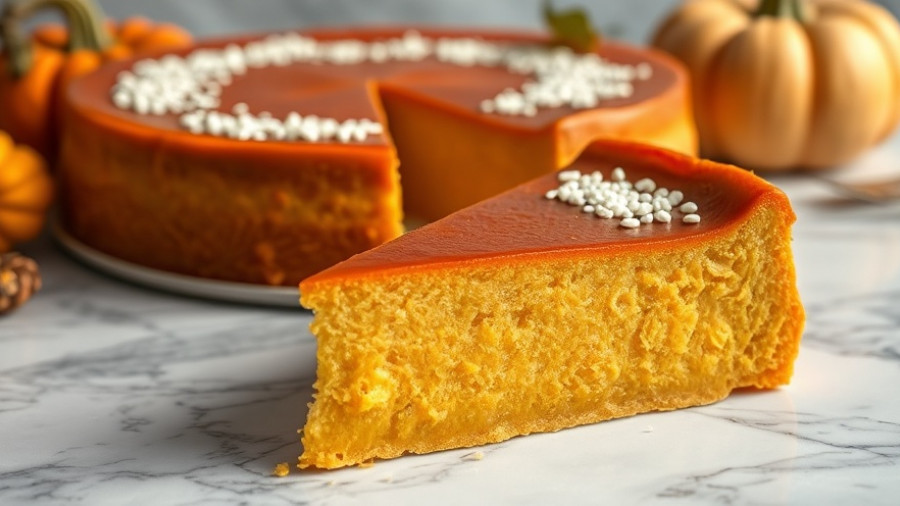
Flan has long been a staple of Cuban dessert culture, served at family gatherings, celebrations, and everyday meals alike. Flan de calabaza, or pumpkin flan, builds on this tradition by incorporating the rich, comforting flavor of pumpkin, creating a dessert that feels especially connected to the fall season while still rooted in Cuban culinary identity.
Across Cuban households, flan represents more than just a dessert. It is often associated with shared meals, family traditions, and recipes passed down through generations. The addition of pumpkin brings a seasonal variation that reflects how traditional dishes continue to evolve while maintaining their cultural significance.
Desserts like pudín de pan and guava-based pastries are also widely recognized across Cuban bakeries and family traditions.
In regions like Western New York, where Latin American cuisine continues to grow, desserts such as flan de calabaza offer a glimpse into the diversity of Cuban flavors. Restaurants like Rancho Palma in Rochester highlight the importance of traditional desserts as part of a broader dining experience, where meals are not only about food but also about culture and connection.
Flan de calabaza reflects the balance between tradition and adaptation. While its ingredients may vary slightly depending on the kitchen, the essence remains the same: a smooth, caramel-topped custard that carries both familiarity and seasonal warmth. This ability to adapt while preserving identity is what keeps Cuban cuisine relevant across generations and locations.
As Cuban food continues to expand its presence beyond the island, dishes like flan de calabaza serve as a reminder that desserts are often where culture is most deeply expressed. Through flavor, texture, and tradition, they tell stories that go beyond the plate.
In Western New York, Cuban cuisine continues to take shape through restaurants that carry these traditions forward. One example Rancho Palma, a Cuban restaurant in Rochester, where classic dishes and desserts reflect the flavors and cultural roots found throughout the island.








Write A Comment