

The Importance of Rice in Dominican Food Culture
Rice is one of the foundations of Dominican Cuisine, appearing in everyday family meals, traditional celebrations, and dishes shaped by the country's diverse culinary influences.
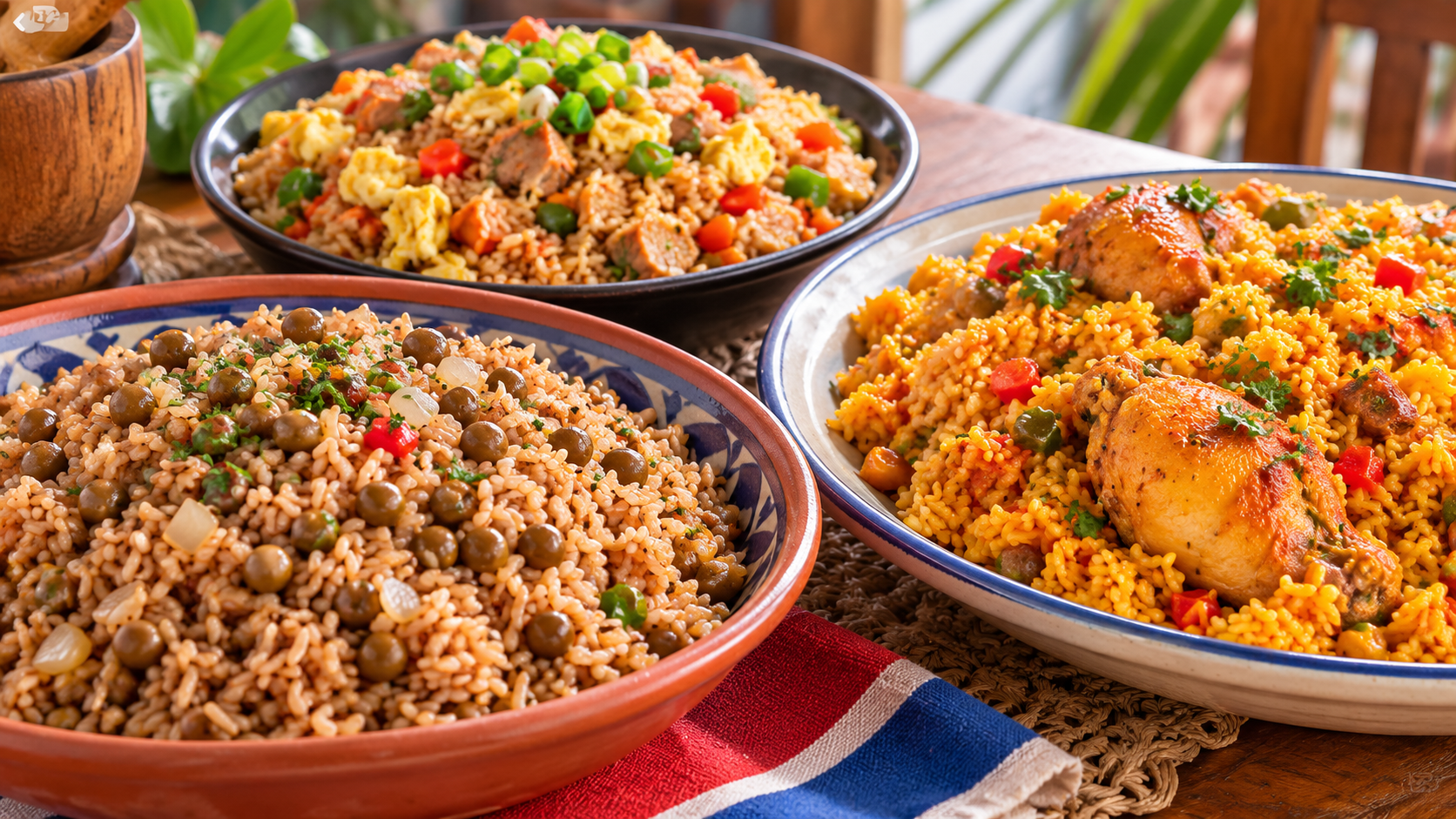
From simple white rice served with beans and stewed meats to flavorful preparations such as moro de guandules, locrio, and Dominican-style chofán, rice plays a central role in the Dominican Republic's food traditions.
These dishes reflect a culinary heritage influenced by Indigenous, African, European, and later immigrant communities. Across generations, rice has remained a familiar part of Dominican family cooking, connecting everyday meals with the country's broader cultural identity.
Fried Rice: A Cultural Favorite
One of the most interesting examples of cultural exchange in Dominican cuisine is chofán, a Dominican adaptation of Chinese-style fried rice.
Influenced by Chinese immigrant communities and their culinary traditions, chofán has become a familiar dish in the Dominican Republic. It typically combines rice with vegetables, eggs, and proteins such as chicken, pork, or shrimp, often seasoned with soy sauce.
Chofán reflects how Dominican cuisine has evolved through encounters with other food cultures. Rather than being simply a way to reuse rice, it represents the blending of Chinese cooking techniques with Dominican tastes and ingredients.
Arroz con Leche: A Beloved Dominican Dessert
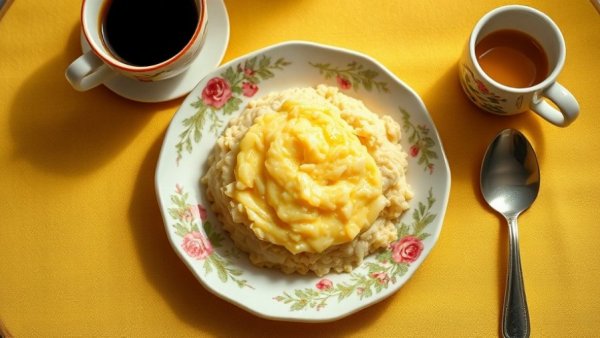
Arroz con leche is a familiar dessert in Dominican households, reflecting the country's longstanding tradition of preparing comforting sweets with simple ingredients.
Made with rice, milk, sugar, and aromatic spices such as cinnamon, this creamy dessert is enjoyed at family gatherings and as an everyday treat. Dominican variations may include evaporated milk, vanilla, or other ingredients that give the pudding its distinctive richness.
Although arroz con leche is enjoyed throughout Latin America, Dominican families have their own preferences and traditions for preparing it. The dessert illustrates how a common ingredient like rice can become part of both savory meals and sweet culinary traditions.
Moro de Guandules: A Dominican Rice Tradition
Among the most recognizable dishes in Dominican cuisine is moro de guandules, a flavorful combination of rice and pigeon peas (guandules).
The dish is typically prepared with Dominican seasonings, including garlic, onions, peppers, and herbs. Some variations incorporate coconut milk, particularly in regional preparations that reflect the country's diverse culinary traditions.
Moro de guandules is enjoyed throughout the year and holds a special place at family celebrations and holiday gatherings, where it is often served alongside roasted pork and other traditional Dominican dishes.
Its enduring popularity reflects the importance of rice and legumes in Dominican cooking and the role these ingredients play in bringing families together around the table.
Locrio: A Dominican One-Pot Rice Tradition
Locrio is a traditional Dominican rice dish that combines rice with meat, seafood, or other ingredients cooked together in one pot. It is an important part of everyday Dominican home cooking.
Popular variations include locrio de pollo (chicken), locrio de cerdo (pork), and locrio de camarones (shrimp). Each version develops its own character through the combination of seasonings, ingredients, and cooking traditions.
Often compared to Spanish paella because of its one-pot preparation, locrio has developed a distinctly Dominican identity through local ingredients and flavors.
Its popularity reflects the creativity and practicality of Dominican cooking, where rice becomes the foundation of a satisfying meal shared among family and friends.
Rice and Cultural Identity of Dominican Cuisine
Rice is more than an everyday staple in the Dominican Republic. It is an essential part of the country's culinary identity, connecting family meals, regional traditions, and generations of home cooking.
From the comforting flavors of moro de guandules and locrio to the Chinese-influenced chofán and the sweetness of arroz con leche, these dishes demonstrate the versatility of rice in Dominican cuisine.
Together, they reflect the cultural influences, family traditions, and distinctive flavors that continue to shape Dominican food culture.









Write A Comment